Interview Outfits for Women: How to Dress to Impress
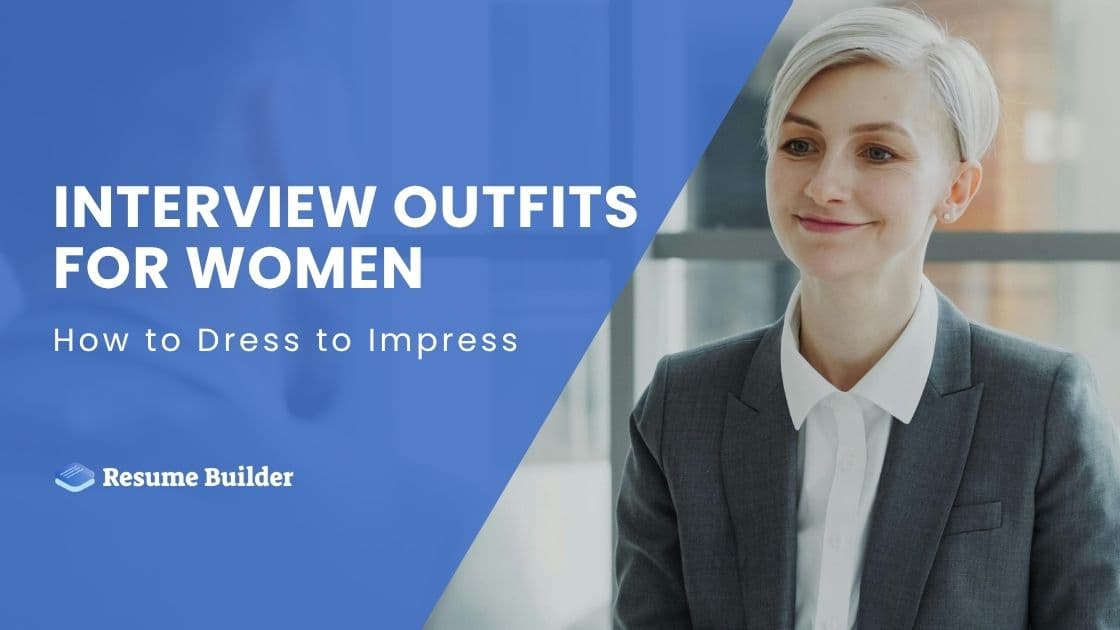

Choosing the right interview outfits for women can be considered a high-stakes decision, as the way you dress on this occasion is the first thing a hiring manager will see before you've said a single word. The moment when you walk into the room or appear on their screen forms an impression that your answers will either reinforce or have to work against.
Today, we talk about everything you need to know when it comes to professional interview attire for women. This includes great tips on how to match the set dress code, what to wear for an interview related to your specific industry, what to avoid at all costs, and outfit ideas for every body type.
- The right interview outfit helps shape a strong first impression, boosts confidence, and signals that you understand the company’s culture and expectations.
- The best approach is to research the workplace dress code, dress one level above what you observe, and prioritize fit, comfort, and preparation over price.
- Women’s interview outfits should be adjusted to the setting, with business formal for corporate or finance roles, business casual or smart casual for more relaxed industries, and slight variations depending on the field.
- For virtual interviews, camera-friendly solid colors, structured tops, and a polished overall appearance matter more than outfits that may look fine in person but distract on screen.
- The safest choice is always a neat, professional, and distraction-free outfit, while overly casual clothes, strong fragrances, visible logos, and uncomfortable shoes should be avoided.
Why Your Interview Outfit Matters More Than You Think
Your interview outfit matters because first impressions are formed within seconds, and what you wear shapes how a hiring manager perceives you before the conversation even begins. A poorly chosen outfit sticks in memory for the wrong reasons, while the right one simply lets your competence shine through.
There's also the confidence angle, and it's worth taking seriously. The enclothed cognition research by Adam and Galinsky found that wearing clothing associated with a role (professional attire, in this context) physically changes how people perform. Your brain picks up on the cues your clothes send, so wearing a well-fitted, intentional outfit both looks good and makes you sharper under pressure.
Finally, the outfit you choose communicates about your research, too. Walking into an interview dressed slightly above the company's norm signals you've looked at their website, their team photos, and their culture, and picked your attire based on that. That matters, especially when you're competing against candidates who haven't.
Choosing What to Wear to a Job Interview as a Woman
You can choose the right interview outfit by researching the company culture first, then matching your attire to the industry's dress code expectations. Let’s explain each step:
Start with the company's website, LinkedIn team pages, and social media. Look at photos of current employees, especially people in roles similar to the one you're applying for. Are they in suits? Blazers and dark jeans? Do Casual Fridays look like every other day?
When you're unsure, the rule is simple: dress one level up from what you observe. Not being dramatically overdressed, just a notch above, reads as respectful and intentional.
Most workplaces fall into one of four tiers:
- Business formal: law firms, finance, executive roles
- Business professional: corporate offices, consulting, healthcare administration
- Business casual: marketing teams, mid-size companies, education
- Smart casual: tech startups, creative agencies, NGOs
Each tier has its own outfit formula, which we'll break down later.
A perfectly tailored $60 blazer from Zara will outperform an ill-fitting $400 one every single time. Tailoring isn't a luxury for interview prep, but arguably the highest-ROI investment you can make.
Comfort matters for a practical reason, too. You need to focus on your answers, not on a waistband that's too tight or heels that are cutting into your feet after 20 minutes in the lobby.
Lay out the complete outfit (including shoes, bag, and any jewelry) and try it on. Make sure you also sit down in it and see if anything pulls, rides up, or falls awkwardly, as well as check for wrinkles, a missing button, or a hem that's coming loose. This takes 10 minutes and prevents the kind of last-minute chaos that throws off your morning.
Interview Outfit Ideas for Women by Dress Code
The best interview outfits for women depend on the dress code of the role and the company. Here's a breakdown of what to wear at each level and what to avoid.
#1. Business Formal Interview Outfits

Business formal is the standard for law firms, finance, government, and executive-level roles. The goal here is precise, authoritative, and completely distraction-free.
Key pieces include a tailored pantsuit or skirt suit in black, navy, or charcoal; silk or structured blouses work beautifully underneath. Closed-toe pumps or heeled loafers are the right shoe choice, but keep jewelry minimal: stud earrings, a simple watch, nothing that catches the light or moves around.
If you're wearing a skirt, though, do a sit-down check in your mirror before you leave. Hemlines that fall at or just below the knee work for every situation, but anything shorter than that introduces an unnecessary variable.
#2. Business Professional Interview Outfits

Corporate offices, consulting firms, healthcare administration, and education typically fall in this category, which is a step more flexible than formal, but the standard is still high.
A blazer paired with tailored trousers or a sheath dress hits the mark consistently. Button-up blouses and refined knit tops both work well, and the knit route can actually read as more contemporary and polished than you'd expect.
Colors can be navy, black, grey, burgundy, and camel, and there should be some soft patterns like a fine check or subtle stripe.
This is also the level where a single accessory, such as a statement necklace or a silk scarf, can add personality without undermining the professional feel.
#3. Business Casual Interview Outfits for Women

Marketing teams, HR departments, mid-size companies, and schools often operate in this space; it's more relaxed, but "casual" is relative, as it’s still an interview, not a team lunch.
A blazer over a well-fitted blouse with tailored trousers is the most reliable formula here, as well as a midi dress with a cardigan or structured jacket. Polished dark jeans with a structured top and blazer can absolutely work at this level, too, as long as the jeans are clean, well-fitted, and free of any distressing.
When it comes to shoes, opt for loafers, ballet flats, ankle boots, or block heels. Skip anything that looks too casual (canvas sneakers, sandals) or too formal (spiked heels that feel out of place at a relaxed workplace).
#4. Smart Casual Interview Outfits

Tech startups, creative agencies, NGOs, and remote-first companies generally sit in this range. The challenge is that "smart casual" often feels vague, and the risk is undershooting.
The three-piece rule is your anchor here, and it refers to top + bottom + layer. This can be:
- A blouse and tailored dark-wash jeans with a relaxed blazer
- A knit top with chinos and a cardigan
- A structured midi skirt with a simple sweater, etc.
One piece can come off (the blazer or cardigan) if you arrive and realize you're slightly overdressed, but it's much harder to add formality mid-interview, so more is better here.
You can wear clean loafers, sleek sneakers ( minimalist white or black, not athletic), or ankle boots, but avoid anything that looks like it came straight from a gym bag.
Interview Attire for Women by Industry
The perfect interview outfit also depends on your industry, as what works in a law firm will stand out for all the wrong reasons in a creative studio, and vice versa.
Corporate and Finance
Here, you can stick to tailored suits, conservative colors, and closed-toe shoes. Structured leather or faux-leather bags reinforce the polished look, as well as minimal accessories, such as a simple watch or small earrings. You don’t need anything else, as otherwise it could become distracting.
Healthcare
The best option for healthcare is business professional or business casual, depending on your specific role. Clinical positions tend to have separate uniform requirements, but administrative and management interviews call for standard professional dress.
Mood-boosting colors like soft blue or burgundy are entirely appropriate here, and wrinkle-resistant fabrics are a practical bonus if you're commuting.
Education
The interview outfit ideas for education should be approachable but clearly professional. A blazer with slacks or a smart dress tends to hit the right note, as well as warm tones. Meanwhile, you should avoid anything that reads as overly formal or stiff; students often connect decent but casual clothing with friendliness and closeness.
Creative, Fashion, and Media
In a fashion interview, your outfit is, in a real sense, part of your portfolio.
For example, a statement blazer, a midi skirt with visual interest, or a contemporary jumpsuit can demonstrate that you understand the aesthetics of the industry. Bold colors and subtle patterns are encouraged, but there's still a professional frame.
Tech and Startups
Here, you should land on the casual end of business casual or smart casual. Dark jeans with a blazer and a quality top is the classic formula here, and it almost never misses, along with sleek sneakers or clean loafers.
Hospitality and Retail
These industries require conservative and neat women’s work outfits. The roles are customer-facing, so interviewers are directly assessing whether you'd represent the brand well. Keep things polished and avoid heavily logoed or branded clothing to let the role speak for itself.
Virtual Interview Outfits for Women

For a virtual interview, your outfit should look polished and professional from the waist up, with solid colors that translate clearly on camera. Video adds a layer of consideration that in-person interviews don't have, so a few things that look fine in person become distracting on screen, including:
- Busy prints and patterns cause a moiré effect that's deeply distracting for the person watching
- White tops often blow out on camera, depending on your lighting setup
- Very dark colors can absorb light and flatten your appearance
- Oversized or unstructured tops read as less confident than fitted, tailored pieces
What works well includes:
- Jewel tones (emerald, cobalt, burgundy), which are especially strong on video, vibrant without being harsh, and warm and confident on screen
- Solid mid-tones like dusty blue, sage, or camel, which also translate cleanly
- Real pants, even if the camera never goes below your waist, as it keeps your mindset fully professional in a way that pajama bottoms don't.
Test your setup on camera before the day, since what you see in your mirror is not what your interviewer sees. Lighting, background, and camera angle all interact with your outfit choices, and a neutral, uncluttered background reinforces the polished look you've worked to put together.
Interview Outfits for Plus-Size Women
Plus-size women can nail any interview look by focusing on fit, tailoring, and choosing pieces that feel both comfortable and confident.
This is an area where a lot of generic advice falls short since the standard "wear a blazer" tip doesn't land the same way when blazers are notoriously hard to fit off the rack in extended sizes. So let's be specific.
- Tailoring is your highest-value investment. Many dry cleaners offer basic alterations at reasonable prices, and it's worth asking.
- A-line and wrap dresses flatter nearly every figure and look inherently polished. They're forgiving with movement and tend to photograph well.
- Wide-leg or straight-leg trousers in dark colors create a clean, elongating line without being restrictive. Avoid anything too tapered if it creates visual tightness at the hip or thigh.
- Structure is your ally. Avoid very clingy fabrics or boxy cuts, as both tend to work against a polished silhouette. Look for fabric with some weight and crease recovery.
- Comfortable footwear matters more than you'd think. If your shoes are uncomfortable, it will show in how you walk into the room.
For extended-size professional options, retailers like ASOS Curve, Universal Standard, and Eloquii carry genuine professional staples in consistent sizing.
What Not to Wear to a Job Interview
You should avoid wearing overly casual clothing, strong perfume, visible logos, and distracting accessories to a job interview.
Here's the quick-reference checklist:
- Overly casual items: ripped jeans, athleisure, flip-flops, hoodies — regardless of the company's culture
- Revealing clothing: low necklines, very short skirts or dresses
- Strong fragrances: genuinely distracting and sometimes cause physical discomfort for interviewers or other people in the building
- Visible brand logos or heavy graphics on clothing: logos put the brand front and center, not you
- Wrinkled, stained, or visibly worn items: these signal a lack of preparation, even if that's not fair
- Too much jewelry or accessories that jingle or move when you gesture
- Uncomfortable shoes that affect your posture or gait: if you're thinking about your feet, you're not thinking about your answers
- Very loud colors or bold prints that pull more attention than your words do
The goal is simple: your outfit should communicate "prepared and professional" and then get out of the way. The conversation is the interview, not your clothes, and shifting the focus from the former to the latter is one of the biggest interview mistakes you can make.
Final Thoughts
Choosing the right interview clothes for women is about reading the room, feeling genuinely confident, and showing the job interviewer that you've done your homework. An outfit that lets you walk in calm and prepared will always outperform one that's technically expensive but doesn't feel like you.
However, the outfit is one piece of a larger system; before your next interview, make sure your job application is as polished as your outfit. Here, you can use our AI-powered resume builder and the professional resume templates our experts made to create a job-ready resume that matches the professionalism of everything else you're bringing to the table!
Interview Outfits for Women FAQ

Daniel Carter is the salary negotiation coach you wish you had before accepting that lowball job offer. With years of HR experience, he knows all the employer tactics—and how to counter them. His posts break down negotiation strategies, industry salary trends, and scripts you can actually use in real conversations.