13+ Social Media Skills for Your Resume (With Examples)

Social media skills are the abilities needed to create, manage, and improve content across platforms like Instagram, LinkedIn, TikTok, Facebook, and X. They include writing captions, planning content, understanding platform trends, engaging with audiences, analyzing performance, and adapting posts for different goals.
These matter in a wide range of jobs because they are no longer just social media marketing skills; for many businesses, it is a direct line to customers, brand visibility, and sales.
This article explores what social media skills actually involve and why employers value them so highly. It will cover the most important skills to develop, examples of how they apply in real roles, and practical ways to improve them over time.
- Social media skills include both hard skills, such as platform expertise, analytics, paid advertising, SEO, and scheduling tools, and soft skills, such as written communication, creativity, adaptability, collaboration, and organization.
- Employers value social media skills far more than marketing roles, since businesses in industries like healthcare, e-commerce, nonprofits, and corporate communications all rely on strong digital presence and audience engagement.
- The most effective way to list social media skills on a resume is to combine ATS-friendly keywords in the skills section with measurable achievements in the work experience section and the most relevant strengths in the resume summary.
- Social media resumes stand out when skills are backed by real results, such as follower growth, engagement rate, ROAS, response time, organic reach, or monthly content output, rather than vague claims.
- Candidates can strengthen their social media skills through certifications, platform learning resources, hands-on practice, and personal projects, then present those abilities more effectively with ATS-friendly resume templates and realistic resume examples.
What Are Social Media Skills?
Social media skills are the abilities required to effectively use, manage, and grow a presence across social media platforms. The definition sounds simple, but the range it covers is surprisingly broad; from knowing how the TikTok algorithm ranks content, to running a Meta Ads campaign or managing a brand crisis in real time.
A full social media skills list should include:
- Hard skills cover the technical side, such as platform knowledge, analytics tools, paid advertising, SEO, and software like Hootsuite or Canva.
- Soft skills cover how you work and include written communication, creativity, adaptability, and the ability to collaborate across teams.
Both of these matter; for instance, a candidate who's brilliant with Meta Ads Manager but struggles to write compelling copy will hit a ceiling fast. BLS data also suggests sustained demand for marketing managers across industries, a trend that aligns with the growing importance of digital and social media work in marketing.
However, what typically surprises many job seekers is that social media skills are valued well beyond marketing agencies. Healthcare organizations, e-commerce companies, nonprofits, corporate communications teams, and small businesses all need people who can manage their digital presence.
Top 10 Social Media Hard Skills for Your Resume
Hard social media skills are technical, teachable, and easy to verify, which makes them especially powerful on a resume. Hiring managers can scan for them, ATS systems flag them as keywords, and you can prove them with certifications or portfolio examples.
Here are the ten hard skills that appear most frequently on social media job postings today:
#1. Platform Expertise
Knowing Instagram, LinkedIn, TikTok, Facebook, and X (formerly Twitter) sounds basic, but employers don't just want someone who "uses" these platforms. They want someone who understands the nuances of each one.
A B2B company hiring for LinkedIn outreach has completely different expectations than a consumer brand building a TikTok presence. The algorithm, the content format, the audience, and the tone: all of them differ.
Therefore, on your resume, you should name platforms specifically rather than writing "social media" as a catch-all. If you've managed brand accounts on multiple platforms, say so and list them by name for ATS keyword matching.
"Managed brand presence across Instagram, TikTok, and LinkedIn, growing combined followers by 45% in Q1 2025."
#2. Content Creation
Content creation skills cover copywriting, short-form video scripting, graphic asset production, and carousel design. It's both a creative and a strategic skill, and it involves knowing what format to use for which platform and how to make something look good.
Tools like Canva, Adobe Creative Suite, and CapCut come up constantly in job descriptions among social media tools for a resume, so mentioning them by name matters for ATS. The best content creators understand that a vertical video for TikTok needs a different opening hook than a LinkedIn article, and that kind of platform-specific judgment is what separates a content generalist from a genuine asset.
"Produced 30+ pieces of original content per month across four platforms, achieving an average engagement rate of 6.2%."
#3. Social Media Analytics Skills and Reporting
Programs like Google Analytics, Meta Insights, Sprout Social, and native platform dashboards are table stakes for most social media roles. Yet, the skill employers actually value is interpreting numbers.
After all, research suggests that data-informed marketing strategies often outperform intuition-led planning by improving targeting, optimization, and overall campaign performance. So, if you know how to do it and you've used analytics platforms professionally, name them on your resume.
"Analyzed weekly reach and engagement data to optimize posting schedule, increasing organic impressions by 28% over one quarter."
#4. SEO and Hashtag Strategy
Social SEO has grown significantly, especially on TikTok, YouTube, and Instagram, where search is now a primary discovery mechanism. This means keyword optimization in captions, bios, and alt text, and understanding how discoverability on social platforms mirrors traditional search engine logic.
Candidates who understand both traditional SEO and its social equivalent are increasingly rare and valuable. Therefore, if you possess these abilities, tie them to any resume work that involves keyword research or content optimization.
"Applied social SEO tactics to Instagram and YouTube Shorts content, doubling organic discoverability within three months."
#5. Paid Social Advertising
Paid social is its own discipline. Employers often separate organic and paid expertise when hiring, so candidates who can manage both are especially valuable.
This skill covers audience targeting, A/B testing, campaign budgeting, and return on ad spend (ROAS). If you've managed a budget, say so explicitly; dollar amounts and ROAS figures make these bullets concrete and verifiable.
"Managed a $15K/month Meta Ads budget with a 3.2x ROAS across retargeting and cold audience campaigns."
#6. Social Media Management Tools
Hootsuite, Buffer, Sprout Social, Later, and HubSpot are the standard platforms for scheduling, inbox management, and approval workflows. ATS systems scan resumes for exact tool names, so listing them specifically is important for getting through initial filters. Plus, your skills section should use the exact terminology from job postings.
"Coordinated content calendar and scheduling for five brand accounts using Hootsuite, reducing publishing delays by 40%."
#7. Community Management
Responding to DMs, comments, and reviews while maintaining a consistent brand voice is harder than it looks, especially when things go sideways.
Community management skills include escalation protocols, identifying potential crises early, and directly influencing customer retention through responsive engagement. This skill pairs well with collaboration skills on a resume; they both signal you're someone who communicates well with both people and algorithms.
"Reduced average community response time from six hours to under 90 minutes, improving customer satisfaction score by 18%."
#8. Content Calendar Planning
Strategic scheduling, campaign coordination, and cross-platform content consistency all fall under content calendar planning. This skill ties to project management tools like Notion, Asana, or Trello, and mentioning them by name signals organizational maturity to hiring managers.
It's also worth linking this skill to your work experience bullets wherever you managed deadlines or cross-functional campaigns.
"Owned monthly content calendar for three social channels, aligning all posts with product launches and seasonal campaign windows."
#9. Video Production and Editing
Short-form video dominates all major platforms right now, so CapCut, Adobe Premiere, and DaVinci Resolve are the most commonly mentioned editing tools in job descriptions. Even basic editing proficiency is now a differentiator; for example, the ability to shoot, script, and edit a Reel independently saves teams significant production time and budget.
"Edited and published 12 Reels and TikToks per month, averaging 50,000+ views per video across six months."
#10. Crisis and Reputation Management
Handling negative press, viral complaints, and PR incidents under pressure is a genuinely strategic skill. Programs like Mention and Brand24 enable early detection, but the response protocol (who speaks, what's said, how fast) determines whether a bad situation gets contained or escalates.
Candidates who can speak to crisis experience have a real edge; even if your situation was small-scale, the framework you used is transferable and worth mentioning.
"Developed and executed crisis response protocol during a product recall, reducing negative social sentiment by 40% within 72 hours."
Top 5 Social Media Soft Skills for Your Resume
Soft skills round out a social media professional's profile and show employers how you work. The best candidates combine technical fluency with the communication and creative thinking that make strategy actually land.
Here are the five soft skills that matter most:
#1. Written Communication
Voice, tone, and audience awareness are vital for proper written communication.
A skilled social media professional can shift from playful Instagram copy to professional LinkedIn thought leadership in the same afternoon and make both feel native to the platform. That tonal agility is rare and worth naming on your resume.
This skill also plays directly into your resume summary; the opening lines of your resume should model the same audience awareness you'd bring to managing a brand account.
#2. Creativity and Adaptability
Adaptability matters immensely when it comes to trend-chasing, experimenting with new formats or emerging short-form features, and staying comfortable when the algorithm shifts without warning. Platforms change constantly, and the most effective social media professionals treat that uncertainty as interesting rather than threatening.
Having this in mind, you should demonstrate adaptability in your work experience section by highlighting examples where you pivoted strategy or adopted a new format successfully.
#3. Critical Thinking and Problem-Solving
These abilities help professionals diagnose an underperforming campaign, pivot content strategy mid-quarter, make sense of conflicting data, and do similar tasks.
Critical thinking means knowing what to do next, so showing this on a resume means framing experience bullets around the decisions you made. A willingness-to-learn statement in your resume can also reinforce this since it signals you treat every campaign as feedback.
#4. Collaboration and Cross-Functional Teamwork
Working with designers, copywriters, PR teams, and sales departments to align messaging requires both communication skills and emotional intelligence. Being able to write a clear brief and give actionable feedback to collaborators is something a lot of candidates overlook, but it's the kind of detail that makes a hiring manager want to work with you.
Strengthen this on your resume by mentioning the teams you worked with and the outcomes of that collaboration.
#5. Time Management and Organization
Finally, managing multiple platforms, deadlines, and campaign cycles simultaneously without letting quality slip is a real skill. Therefore, you should tie this to concrete evidence in your work experience, explaining how many accounts you managed, how many posts you published per month, how many campaigns you ran in parallel, etc.
Strong organizational skills on a resume signal that you're the kind of person who keeps the content calendar on track without needing constant supervision.
How to List Social Media Skills on a Resume
You can list social media skills on a resume by placing them in your skills section, work experience bullets, and resume summary. Each placement serves a different purpose, but together, they create a resume that reinforces your expertise from three different angles.
Add Them to Your Skills Section
Your skills section is where ATS scanning happens most aggressively, so include platform names (Instagram, LinkedIn, TikTok) and tool names (Hootsuite, Canva, etc.) here.
Additionally, make sure you use the same exact language that was used in the target job posting wherever possible. For example, if the posting says "Meta Business Suite" instead of "Facebook Ads Manager," use their phrasing.
Avoid vague entries like "Social Media" alone. "TikTok content strategy" or "Sprout Social scheduling" are stronger because they tell the ATS and the recruiter something specific about your experience.
Weave Skills Into Your Work Experience
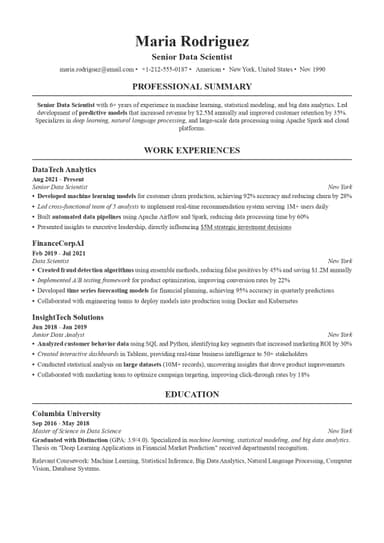
Listing "Canva" in your skills section is fine; however, showing how you used Canva to produce 30 pieces of content per month that hit a 6.2% engagement rate works much better and complements this entry. The formula is simple: action verb + skill + measurable result.
Weak
"Responsible for creating social media content for company accounts."
"Produced 30+ branded graphics and video assets per month using Canva and CapCut, increasing average post engagement by 34% over two quarters."
Weak
"Managed social media pages and responded to comments."
"Managed community engagement across Instagram and Facebook for 80K+ followers, reducing average response time from 8 hours to 90 minutes."
Weak
"Ran paid social campaigns on Facebook."
"Managed $12K/month Facebook Ads budget with a 2.8x ROAS, consistently outperforming the industry benchmark of 2.0x across six campaigns."
Mention Relevant Abilities in Your Resume Summary
The opening two to three sentences of your resume should reflect your two or four strongest social media skills, i.e., the ones most relevant to the role you're targeting. Here's a sample summary a social media manager could adapt:
"Social media manager with 4+ years of experience growing brand presence across Instagram, TikTok, and LinkedIn. Skilled in content creation, Meta Ads management, and analytics reporting, with a track record of increasing organic reach by 30%+ through data-informed content strategy. Looking to bring hands-on platform expertise and a creative approach to a fast-moving digital team."
List Certifications That Prove Your Skills
Certifications convert vague claims into verifiable credentials, and in a competitive field, that distinction matters. The four most recognized certifications for social media professionals are:
- Hootsuite Social Marketing Certification: free, widely recognized, covers strategy and platform management fundamentals
- Meta Blueprint Certification: covers Facebook and Instagram advertising in depth; strong for any paid social role
- Google Analytics Certification: proves you can tie social efforts to measurable business outcomes
- HubSpot Social Media Certification: well-regarded for inbound marketing and content strategy roles
All four are free or low-cost; Meta Blueprint and Hootsuite have the broadest name recognition across industries.
How to Quantify Social Media Skills on a Resume
You can quantify social media skills on a resume by attaching specific metrics to each achievement. This is where most social media resumes fall flat, and it's the biggest gap compared to candidates who actually get interviews.
The metrics that matter most to employers include:
- Follower growth percentage
- Engagement rate: interactions divided by reach; industry average sits around 1–3% depending on platform and content type
- Organic reach: impressions and views on non-paid content, especially useful for showing content quality
- ROAS: total revenue generated per dollar spent on paid campaigns; critical for any paid social role
- Response time: average time to first reply; relevant for community management and customer-facing roles
- Content volume: monthly posts, videos, or assets produced; shows capacity and output reliability
If you don't have exact figures, you can reference a scale instead. After all, approximate numbers are always better than vague and empty statements, which tell a hiring manager almost nothing.
How to Develop Social Media Skills
You can develop social media skills by combining free platform resources, structured courses, hands-on practice with a personal account, and targeted certification programs.
- Free resources: Platform-native learning centers like Meta Blueprint and TikTok for Business are genuinely useful starting points. They're kept current because the platforms have a direct financial interest in teaching people how to advertise effectively.
- Paid platforms: Coursera, LinkedIn Learning, and Udemy all offer structured social media curricula with shareable certificates on completion.
- Hands-on practice: Build a personal brand account in a niche you're genuinely interested in and treat it as a live portfolio. Many hiring managers find a well-run personal account more convincing than coursework.
- Study high-performing accounts: Spend time analyzing what top brands are actually doing, including their content cadence, caption structure, hashtag strategy, and comment responses. It costs nothing and builds real editorial taste.
Showing willingness to learn is especially relevant for social media roles, where platforms evolve constantly, and self-directed learning is expected.
Make Your Skills Shine With the Help of ResumeBuilder.so
ResumeBuilder.so can help readers turn their social media skills into a resume that feels tailored, polished, and easy for employers to scan!
The platform offers ATS-friendly resume templates designed to get past automated screening systems. Thanks to AI-powered suggestions the tool makes while crafting your resume, you can describe your skills, achievements, and other strengths in a sharper, more job-focused way.
It also lets users customize sections, spacing, fonts, and colors while keeping the overall format professional. Additionally, for those who are not sure how to phrase their experience, the platform’s resume examples can give them a realistic starting point. All this makes it easier to build a fully customized resume that presents the best skills convincingly!
Final Thoughts
Social media skills span technical tools, creative ability, and strategic thinking, and the strongest candidates bring all three. Standing out is all about listing the right ATS-friendly resume keywords and also proving those skills with specific examples, real metrics, and results that a hiring manager can point to.
When presented well, such abilities can show far more than platform knowledge alone. The key is to be selective, specific, and honest about what you can actually do. Additionally, a resume that connects those skills to real outcomes will always be more convincing than one that simply names the platforms.
Social Media Skills FAQ

Ava Sinclair is the Founder of ResumeBuilder.so and a seasoned expert in HR and recruitment. As the driving force behind ResumeBuilder.so, Ava combines her expertise in recruitment and job-seeking strategies to empower job seekers with intuitive, high-impact resume-building tools.