9+ Best Cities to Find a Job in 2026 | Job Market Insights


Location isn't just about where you'll live—it's about access to opportunities, salary potential, industry connections, and long-term growth prospects. Some cities offer thriving job markets with multiple openings per applicant, while others struggle with limited opportunities and high competition.
Whether you're a recent graduate, mid-career professional, or someone considering a fresh start, choosing the right city dramatically impacts your earning potential and career satisfaction. To help you in your job hunt, we break down the 11 best cities to find a job in 2026. Let’s begin!
- The best cities to find a job combine low unemployment rates, diverse industries, and competitive salaries that actually translate into purchasing power.
- Tech hubs like San Francisco and Austin offer high-paying opportunities, but they come with elevated living costs that can offset financial gains.
- Mid-sized cities often provide the sweet spot—strong job markets without the brutal competition or astronomical rent.
- Remote work has reshaped the landscape too, expanding possibilities beyond physical relocation.
- The ideal city depends on your industry, career stage, and what you value most; some prioritize salary while others seek work-life balance and affordable housing.
What Makes a City Great for Job Seekers?
A city becomes great for job seekers when it combines low unemployment, diverse industries, competitive salaries, and population size and growth—all working together to create abundant opportunities. According to recent data, the unemployment rate in the U.S. is at 4.4%, with an upward employment trend in food services and drinking places, health care, and social assistance.
However, the best cities for jobs don't just happen by accident. They're shaped by economic policies, business-friendly environments, and thriving industries that attract both employers and talent.
As previously stated, the strongest job markets balance multiple factors that work together, including:
- Low unemployment rate. It signals a healthy job market where opportunities outnumber job seekers. Cities with an unemployment rate below 4% typically have multiple openings competing for qualified candidates, which means better negotiating power for salaries and benefits.
- Industry diversity. When a city relies heavily on a single sector—say, automotive manufacturing or oil production—economic shifts can devastate the entire job market. The cities with the best job opportunities typically host multiple thriving industries, from technology and healthcare to finance and education. This diversity means career changers can pivot without relocating, and professionals have backup options if their sector slows.
- Average salaries and wage growth. Higher median incomes indicate a market that values talent and can support competitive compensation. However, equally important is wage growth trajectory—cities where salaries are rising faster than the national average signal increasing demand for skilled workers and companies willing to pay premium rates to attract and retain them.
- Population size and growth. Larger metropolitan areas create more opportunities simply through scale—more companies, more positions, and more networking opportunities. Meanwhile, population growth indicates economic vitality and expanding infrastructure. Cities experiencing steady population increases typically see corresponding job creation, new business formation, and investment in services that support a growing workforce.
11 Best Cities to Find a Job in 2026
With an average median wage of over $60,000, an unemployment rate at or below 4%, based on the data from the U.S. Bureau of Labor Statistics, and sizable population growth, these rank among the best cities to find a job:
| State | City | Unemployment Rate | Annual Median | Wage Population |
|---|---|---|---|---|
Alabama | Huntsville | 2.2% | $69,370 | 230,402 |
Wisconsin | Madison | 2.2% | $67,700 | 285,300 |
Minnesota | Rochester | 2.9% | $78,320 | 123,624 |
New Hampshire | Manchester | 3.3% | $71,160 | 116,386 |
Virginia | Charlottesville | 3.4% | $71,000 | 44,767 |
Colorado | Boulder | 3.4% | $92,590 | 106,803 |
Texas | Austin | 3.5% | $71,390 | 993,588 |
Utah | Salt Lake City | 3.6% | $69,420 | 217,783 |
Oregon | Corvallis | 3.9% | $70,640 | 61,993 |
Georgia | Atlanta | 3.9% | $70,150 | 520,070 |
Michigan | Ann Arbor | 4.0% | $71,490 | 122,925 |
Known as "Rocket City," Huntsville is America's aerospace and defense capital. NASA's Marshall Space Flight Center, Redstone Arsenal, and major contractors like Boeing, Lockheed Martin, and Northrop Grumman create high-tech, high-paying jobs in engineering, cybersecurity, and research.
Alabama has relatively low taxes, excellent schools, Southern hospitality, outdoor recreation opportunities, and affordable housing, making Huntsville provide outstanding value for engineers and technical professionals.
Wisconsin's capital city offers a stable economy anchored by the state government, the University of Wisconsin-Madison, and a growing tech sector. Major employers include Epic Systems (healthcare software), American Family Insurance, and numerous biotech firms, creating diverse opportunities beyond government work.
The city offers excellent schools, abundant lakes for year-round recreation, a vibrant food scene, and progressive culture. Wisconsin's moderate cost of living, strong public services, and Big Ten college atmosphere make Madison attractive for families and professionals seeking stability without sacrificing urban amenities.
Home to the world-renowned Mayo Clinic, Rochester is a global medical hub attracting top healthcare professionals and researchers. The Mayo Clinic alone employs over 40,000 people, while IBM and other technology companies have also established a significant presence in healthcare technology and medical innovation.
While Minnesota winters are harsh, the city provides excellent public schools, low crime rates, strong community values, and an outstanding quality of life that appeals to medical professionals and families seeking stability.
New Hampshire's largest city has evolved from its mill town roots into a diverse economy featuring healthcare, education, financial services, and advanced manufacturing. Major employers include Elliot Health System, BAE Systems, and Fidelity Investments, with proximity to Boston's job market as an additional advantage.
New Hampshire has no state income tax on wages, maximizing take-home pay, while providing easy access to Boston's opportunities just an hour away. With four-season recreation, including skiing and coastal access, good schools, and New England charm, Manchester is appealing for those wanting affordability without sacrificing career options.
Home to the University of Virginia and a growing healthcare sector, Charlottesville combines historic charm with modern economic opportunity. UVA Health System and the University are major employers, while tech companies and startups have increasingly chosen this college town for expansion.
The city provides a unique blend of intellectual culture, historic architecture, wine country, and Blue Ridge Mountain access. Excellent schools, a vibrant arts scene, relatively moderate cost of living, and proximity to Washington, D.C. make it attractive for professionals seeking small-city charm with big-city career opportunities.
Boulder's average salary is driven by its thriving tech ecosystem, aerospace industry, and research institutions. Major employers include Google, IBM, Ball Aerospace, and the University of Colorado Boulder, creating a concentration of highly educated workers and innovation-driven companies.
The city's outdoor lifestyle is unmatched—world-class hiking, skiing, and biking are minutes from downtown. The entrepreneurial culture, healthy lifestyle focus, 300 days of sunshine annually, and proximity to Denver's airport make Boulder ideal for professionals prioritizing both career growth and quality of life.
Major employers like Dell, Apple, Tesla, and Oracle have established significant operations in Austin, TX, creating thousands of high-paying positions. The city's strengths span technology, healthcare, education, and live music industry.
Aside from higher annual median wage, Texas has no state income tax, which effectively boosts your take-home pay. Furthermore, quality of life factors, such as outdoor recreation, cultural scene, and relatively affordable housing compared to coastal tech hubs, make Austin particularly attractive for young professionals and families.
Salt Lake City has emerged as a major tech hub, dubbed "Silicon Slopes," with companies like Adobe, eBay, and Qualtrics maintaining significant operations. The city's economy also includes finance, the outdoor recreation industry headquarters, and the healthcare sectors.
The city provides unparalleled access to world-class skiing within 30 minutes of downtown, along with hiking, mountain biking, and outdoor recreation. It combines Western outdoor culture, growing tech opportunities, relatively affordable housing, and a family-friendly atmosphere, making it ideal for active professionals seeking career growth and adventure.
Home to Oregon State University, Corvallis is a small city with a strong knowledge economy. HP Inc. and various biotechnology and engineering firms drive employment beyond the university. The city attracts research-oriented professionals in environmental sciences, engineering, and technology sectors.
The Willamette Valley location provides access to mountains, coast, and Portland's urban amenities within easy reach. Oregon's lack of sales tax, excellent public services, environmental consciousness, and progressive culture appeal to educated professionals and families valuing sustainability and quality of life.
As the economic powerhouse of the Southeast, Atlanta hosts Fortune 500 headquarters, including Coca-Cola, Delta Air Lines, Home Depot, and UPS. The city's diverse economy spans logistics, film production, fintech, and technology, with a rapidly growing startup ecosystem.
Georgia has competitive tax rates and business incentives that attract companies. The world's busiest airport provides unmatched connectivity, while neighborhoods range from historic in-town areas to modern suburbs. Mild winters, a diverse cultural scene, a thriving Black business community, anda strong job market across multiple industries make Atlanta attractive for professionals seeking upward mobility and urban energy.
Home to the University of Michigan, Ann Arbor is a college town with a robust economy spanning higher education, healthcare, technology, and automotive research. The university's research prowess attracts companies in autonomous vehicles, artificial intelligence, and medical technology.
The city provides Big Ten sports, excellent cultural amenities, top-ranked public schools, and Midwest affordability, making it attractive for families and young professionals in tech and research fields.
How to Choose the Right City for Your Job Search
The right city for your job search varies by profession. Software engineers have different optimal cities than nurses, teachers, or financial analysts. Your personal priorities—weather, culture, proximity to family, lifestyle preferences—deserve equal weight with purely economic factors.
Let’s explore what you should do when looking for the best city to find a job:
- Assess your industry and career goals. Start by researching where your industry actually thrives. Use LinkedIn to find a job in your field, noting which cities show the highest concentration of relevant jobs. Industry associations often publish reports on geographic employment trends. Match your profession to cities where your industry maintains headquarters, research facilities, or major operations.
- Calculate real income after cost of living. Find actual rent prices for neighborhoods where you'd want to live—not just citywide averages. Calculate commute costs or parking expenses. Research state income taxes, sales taxes, property taxes if buying, and health insurance costs. Some states have no income tax but higher sales and property taxes. Make honest comparisons before accepting offers or relocating.
- Research the company. Companies often list headquarters in one city while employing most people elsewhere. Research regional offices, not just main headquarters.Networking opportunities matter too—professional associations, industry meetups, conferences happen more frequently in cities with industry concentration.
- Consider remote work flexibility. Many "remote" positions require proximity to offices or regional presence. Some companies offer remote work temporarily but expect eventual return. Others are genuinely location-independent. If you secure a fully work-from-home job, you can choose cities based purely on lifestyle preferences and costs. However, being near your employer's offices often helps career advancement—promotions tend to favor visible employees.
4 Tips for Landing a Job in a New City
Landing a job in a new city requires a strategy beyond standard applications. Distance creates skepticism—employers worry you won't actually relocate or understand the local market.
Here’s how to address these concerns directly while demonstrating genuine interest and commitment to the location.
Secure employment before relocating whenever financially possible. Employers take you more seriously when you're not desperately job hunting after arriving with limited savings.
Virtual and phone interviews have normalized long-distance hiring—companies regularly hire candidates they've never met in person. Start applications 2-3 months before your target move date. This timeline allows for multiple interview rounds without pressure.
Demonstrate commitment by explaining relocation plans clearly. If you're moving regardless of employment status—perhaps for family or lifestyle reasons—state this directly. Employers appreciate candidates who've made the location decision independent of any single job opportunity.
Build connections in your target city before arriving. LinkedIn networking makes this possible—connect with professionals in your target companies and industry. Join local professional associations, online networking events, and comment meaningfully on posts from professionals in your target market.
Request informational interviews with people in roles you're targeting—most professionals help genuine job seekers. When possible, schedule multiple coffee meetings and attend industry events during a week-long trip.
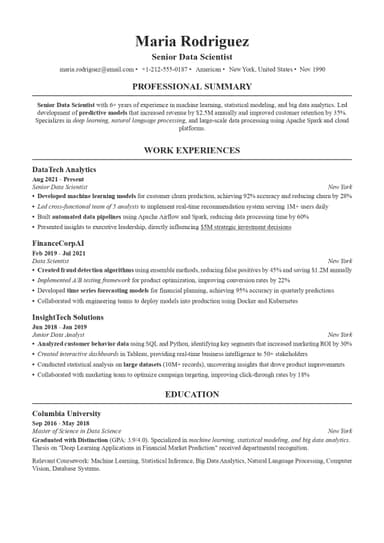
Tailor your resume to address relocation directly. Include the target city in your contact information or add a line stating "Relocating to [City] in [Month]." This immediately answers the location question employers have. Also, customize your professional summary to emphasize relevant experience for that market's dominant industries.
If you have connections to the city—lived there previously, family ties, spouse's job—mention this briefly in your cover letter. Don't over-explain, but address it directly so employers don't wonder.
Some cities have brutal commutes—what looks like 15 miles might take 90 minutes daily. Research neighborhoods near your potential workplace or along efficient transit routes.
Visit neighborhood subreddits and local forums to understand area personalities and practical considerations. Traffic patterns, school quality, safety, walkability, and culture vary dramatically within cities. Therefore, consider visiting for a long weekend to explore different neighborhoods and commute routes.
Create a Winning Application With ResumeBuilder.so
Competing for positions in the cities hiring the most requires professional application materials that pass both automated systems and impress hiring managers. ResumeBuilder.so guides you through every step of resume and cover letter writing.
The platform provides professional resume templates specifically designed for today's competitive job markets. Our resume builder creates ATS-friendly documents that navigate applicant tracking systems successfully while maintaining visual appeal for human reviewers.
To address relocation professionally, you can use our cover letter builder and templates. The platform guides you through every section with intelligent content suggestions based on your industry and target roles.
Final Thoughts
The best cities to find a job combine strong employment statistics with personal priorities that matter to your life and career. Consider your industry's geographic concentration, real income after living expenses, and lifestyle preferences that affect long-term satisfaction.
For instance, cities like Huntsville, Madison, Rochester, and Boulder stand out for their stable job markets, while Austin, Atlanta, and Salt Lake City offer broader opportunities across multiple industries. Smaller cities such as Charlottesville, Corvallis, and Ann Arbor may be appealing for professionals seeking strong academic, healthcare, or research-driven economies.
However, research thoroughly before making location decisions—visiting your target city for a few days provides insights no article can match. Talk with professionals already there about traffic, neighborhoods, company cultures, and hidden challenges.
Best Cities to Find a Job FAQs

Max Harper is the resume guru who actually makes job searching easier. With years of experience as a hiring manager, Max knows what makes a resume stand out in a pile of 200+ applications. From breaking down ATS myths to helping you craft bullet points that pop, Max shares easy-to-digest, no-BS resume advice.