Phone Interview Tips: How to Prepare for It Efficiently


A phone interview is an early-stage job interview, usually conducted before an employer invites you to a video or in-person meeting. Recruiters use it to confirm your basic qualifications, understand your interest in the role, and decide whether you should move forward in the hiring process.
Even though it may feel less formal than a face-to-face interview, a phone screening interview still matters. Your tone, clarity, preparation, and ability to answer questions concisely can shape the employer’s first real impression of you.
This article explains what to say in a phone interview and how to prepare for one to make a strong impression without being in the same room as the interviewer.
- A phone interview is usually an early screening step, but it still shapes the employer’s first real impression of your professionalism, communication, and fit.
- The preparation process includes researching the company, reviewing the job description, keeping your resume nearby, preparing your environment, and practicing answers out loud.
- The most common phone interview questions focus on your background, interest in the role, strengths, weaknesses, salary expectations, and questions for the interviewer.
- Good etiquette here means speaking clearly, listening carefully, avoiding distractions, and treating the call as seriously as an in-person interview.
- Following up with a short thank-you email within 24 hours helps reinforce your interest and keeps you visible after the conversation.
What Is a Phone Interview?
A phone interview is a preliminary screening step in the hiring process, where an employer evaluates a candidate over the phone before deciding whether to move them forward. Recruiters and hiring managers use them to quickly and efficiently narrow a large applicant pool without the time investment of an in-person meeting.
There are two main types you'll encounter:
- Informal phone screen (recruiter screen). This is usually a short call (around 15 to 30 minutes) with someone from HR or a recruiter. The goal is a basic qualification: Are you who your resume says you are? Do your salary expectations align? Are you actually available and interested? It's conversational and relatively low-pressure, but you shouldn’t confuse low-pressure with low-importance.
- Formal phone interview (with a hiring manager). This one runs longer (sometimes 45 to 60 minutes) and gets into the substance of your experience and skills. The hiring manager wants to assess whether you'd be a good fit for the team and whether you meet the minimum requirements.
In both cases, the interviewer typically calls you unless you've been told otherwise.
The phone interview sets the tone for everything that follows, so if you do well, you may easily earn your place in the company or at least a chance to impress them further.
How to Prepare for a Phone Interview
Preparation is the single biggest factor separating candidates who advance from those who don't. The good news is that it’s entirely within your control, and here's how to approach it.
#1. Research the Company and Role
Start your research with the job description and read it line by line. Notice the specific language they use, the skills and qualifications they list, and the problems the role is meant to solve.
Then go broader by visiting the company's website, reading its "About" page, checking recent news or press releases, and reviewing its Glassdoor profile for employee reviews. You can identify two or three talking points that connect your background directly to what they're looking for.
#2. Prepare Your Environment
Choose a quiet, private space; this means no coffee shop, co-working space, or roommates/family members wandering through. Close the door, put pets in another room, and silence notifications on every device except the one you're taking the call on.
Furthermore, charge your phone beforehand or use a landline if you have one, as the cell signal may drop at the worst possible moment. Keep a glass of water nearby (your mouth gets dry when you're nervous), and have a pen and notepad ready. You'll want to jot down the interviewer's name, any key details they mention, and questions that come to you.
#3. Pull Up Your Resume

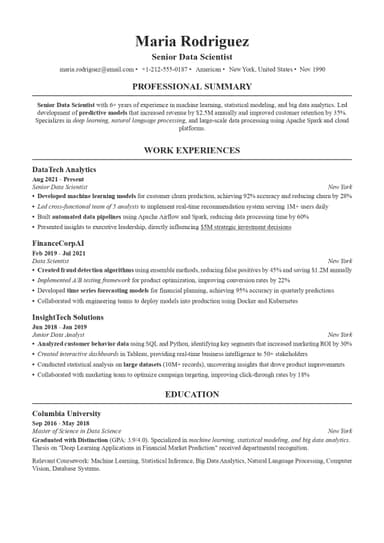
Have your resume in front of you. You will almost certainly be asked to walk through your background, and stumbling over your own work experience looks bad, even if everything on the page is accurate.
Also, have the job description and any notes open in front of you; this is one of the rare advantages phone interviews offer over in-person ones, so you should use it.
#4. Prepare Your Elevator Pitch
Almost every phone interview opens with "Tell me about yourself." It's a test of self-awareness and communication, and it's your first real impression.
You should build a 60-second answer with this structure: current role → relevant past experience → why you're excited about this opportunity. Rehearse it out loud until it sounds natural and not like you're reading from a script, and you can also record yourself if you want honest feedback.
#5. Practice Common Questions Out Loud
Beyond your elevator pitch, spend time preparing answers to behavioral and situational questions using the STAR method (Situation, Task, Action, Result). Walk through a scenario, explain what you did, and land on a concrete outcome.
Harvard Business Review interview guidance emphasizes practicing answers out loud, not just mentally, so candidates can make their responses clearer, more natural, and easier to deliver under interview pressure. The cognitive load of speaking while thinking is different from silent rehearsal, and doing this bridges that gap.
6 Most Common Phone Interview Questions (and How to Answer Them)
These are the questions that come up in almost every phone screening; if you prepare solid, specific answers for each one, you'll be ready for most of what gets thrown at you.
Keep this answer to 60–90 seconds, and don't just recite your resume and repeat what’s in there, because it makes no sense. Instead, give them the narrative thread that makes your experience coherent and relevant.
Here, you should connect the role to both your career goals and your research on the company. Show that you chose them specifically, without just job hunting in bulk, and make sure you reference something specific, such as a product they've launched, a value they talk about publicly, and similar.
When asked about your greatest strength, pick one that directly maps to what the job requires, and then back it up with a brief, concrete example. Without evidence, it will be just a claim. So, if the role calls for someone organized and detail-oriented, don't just say "I'm a people person", but match the answer to the job.
You should choose a real weakness, and your answer shouldn’t sound like a disguised strength (e.g., "I work too hard"). Interviewers have heard every version of that, so pick something genuine, and then explain what you're actively doing about it. That last part is what makes the answer credible.
To be ready to discuss salary expectations, you need to research the market rate before the call using tools like BLS.gov or Glassdoor.
Once you do so, give a range based on your research and express some flexibility by showing you’re open to discussing the full package. Avoid saying you'll take whatever they offer; this comes off as if you haven't thought through your own value.
Always have at least two or three questions ready to ask an interviewer. Some good examples would be:
- "What does success look like in this role during the first 90 days?"
- "How would you describe the team culture?"
- "What are the next steps in the interview process?"
Avoid asking about salary or benefits at this stage unless they bring it up first.
Phone Interview Etiquette: Do's and Don'ts
Here are some phone interview do’s and don’ts you should be aware of:
- Be ready five minutes early. Don't answer mid-ring because you were doing something else; be in your spot, composed, and ready.
- Smile while you speak. This sounds like a cliché, but it's physiologically real. Research on “smiled speech” shows that smiling can change the acoustic qualities of the voice, making it possible for listeners to hear it even when they cannot see the speaker. So, interviewers can't see you, but they can hear warmth.
- Speak clearly and at a measured pace. Nerves make most people talk faster; slow down intentionally.
- Let the interviewer finish before you respond. Phone calls don't have visual cues, so overlapping speech happens easily. Pause briefly after they stop talking to make sure they're done.
- Use their name occasionally, but not in every sentence, because that gets strange fast; once or twice is okay and shows attentiveness.
Don't
- Multitask. Close every tab, every app, every notification, and give the call your full attention.
- Use speakerphone unless you're in a completely private space. Audio quality degrades, and background sounds become amplified.
- Interrupt. Even if you know exactly what they're going to say, let them finish.
- Lean on filler words. "Um," "like," and "you know" become more noticeable on a call where there's nothing else to focus on.
- Say negative things about former employers, even if the situation was genuinely bad.
5 Common Phone Interview Mistakes to Avoid
Here are the interview mistakes that come up most often in these circumstances:
Interviewers know within the first two minutes whether you've done your homework. Weak answers to "What do you know about us?" or "Why do you want to work here?" are immediate disqualifiers for many recruiters. Therefore, you should at least know the company's mission, core products or services, and one recent development.
Aim for one to two minutes on open-ended questions; if you're going longer, you're probably rambling. However, if you're consistently under 30 seconds, you're not giving them enough to evaluate. A brief pause before answering is fine; it just shows that you want to think before you share something with them.
Not asking anything at the end means either that you're not interested or that you haven't thought about the role seriously. Either way, it's not a good signal, so prepare at least three questions before the call, even if you only end up using one or two.
Background noise is distracting and makes you look unorganized. If something unexpected happens, you can apologize briefly and move on; you don't need to pretend that nothing happened.
Most candidates don't send a thank-you note, which means that the bar is low, and clearing it is easy. Therefore, a follow-up email within 24 hours will keep your name visible at a moment when the interviewer is still forming their impression.
How to Follow Up After a Phone Interview
You should follow up after a phone interview by sending a brief, personalized thank-you email. The goal is to reinforce your interest, show professionalism, and give the interviewer one more reason to remember you positively.
Here's what to include:
- A genuine thank-you for their time
- One specific reference to something from the conversation (a topic you discussed, a detail they shared about the team)
- A brief restatement of your enthusiasm for the role
- A mention of your availability for the next steps
Sample thank-you email:
University career centers commonly recommend sending a thank-you email within 24 hours after an interview, both to restate your interest and reinforce your qualifications while the conversation is still fresh.
Final Thoughts
Phone interviews are your first impression, and first impressions, once made, are hard to override. The good news is that everything that makes one go well is learnable and within your control: your preparation, environment, answers, and follow-up.
And finally, make sure your resume is ready before the call. If you haven't looked at it lately, our resume builder can help you by generating a customized, polished one for you. We offer expert-made templates and some great resume examples for dozens of industries: all you need to create a job application that lands roles!
Phone Interview FAQ

Ava Sinclair is the Founder of ResumeBuilder.so and a seasoned expert in HR and recruitment. As the driving force behind ResumeBuilder.so, Ava combines her expertise in recruitment and job-seeking strategies to empower job seekers with intuitive, high-impact resume-building tools.