Career Advancement: 12 Proven Strategies to Grow Your Career


Career advancement isn't something that happens to you—it's something you make happen through deliberate choices and consistent action. Many stay stuck in the same role for years, unsure what steps actually lead to growth. With clear goals, in-demand skills, and intentional networking, you can create momentum instead of spinning your wheels.
In this guide, you’ll discover 12 proven career advancement strategies that help you take control of your path, unlock new opportunities, and move confidently toward your next promotion or career milestone.
- Career advancement requires proactive planning and strategic skill development rather than waiting for opportunities to appear.
- Continuous learning and networking are essential for professional growth.
- Setting clear career goals helps create a roadmap for advancement, giving you direction and measurable milestones.
- Building your personal brand increases visibility and opportunities, making you the obvious choice when positions open up.
- Seeking mentorship accelerates career progression, with mentored professionals earning higher salaries and advancing more quickly
- Understanding your company's advancement criteria is crucial for success, as internal promotion requirements often differ from external hiring standards.
What Is Career Advancement?
Career advancement is the process of moving forward in your professional life through promotions, increased responsibilities, skill development, and higher compensation. According to the People at Work 2025 report by ADP, only 24% of workers feel confident they possess the skills needed to progress in their careers.
However, career progression differs fundamentally from job hopping. It involves strategic planning and consistent effort to reach your career goals. While changing jobs can accelerate your growth when done strategically, true advancement shows clear progression. You're not just collecting different job titles; you're building capabilities and expanding your impact.
Types of Career Advancement

There are different workplace advancement types, including:
- Vertical advancement. This typically means promotions, e.g., moving from coordinator to manager, manager to director, and so on.
- Horizontal advancement. You might take on projects outside your core responsibilities, learn new systems, or develop expertise that makes you indispensable.
- Diagonal advancement. It combines both approaches—taking a lateral move that positions you for a bigger promotion down the line.
Why Is Career Advancement Important?
Career advancement is important because it shapes not just your professional life, but your overall sense of purpose and security.
Each step forward challenges you to develop new skills and qualifications and take on greater responsibilities. This growth builds self-confidence that extends beyond the workplace.
Also, higher positions give you more authority to shape projects, mentor others, and contribute meaningfully to your organization's mission. You move from simply completing tasks to driving vision and strategy.
Lastly, career advancement often means doing work that's more aligned with your passions and strengths. This leads to greater job satisfaction and a sense that your career truly reflects your potential.
12 Proven Strategies for Career Advancement
Career advancement is the result of intentional strategies applied consistently over time. That said, let’s explore twelve strategies that actually work.
#1. Set Clear, Measurable Career Goals
Start with the SMART framework, as goals should be specific, measurable, achievable, relevant, and time-bound. For example:
Next, break your career vision into three timeframes:
- Short-term goals (6 months)
- Mid-term goals (1-2 years)
- Long-term goals (5+ years)
Lastly, write your goals down. Review them quarterly and adjust as needed—flexibility matters as much as direction.
#2. Develop In-Demand Skills
Your current skills got you where you are today, but they won't necessarily get you where you want to go tomorrow. First, identify skill gaps through honest self-assessment. Research from LinkedIn shows that 89% of recruiters say bad hires typically lack soft skills, not hard skills. Therefore, it’s important to make the distinction between:
- Hard skills. Technical competencies specific to your field—data analysis, coding languages, financial modeling, and graphic design software. They're usually easier to measure and learn through formal training.
- Soft skills. These include communication, leadership, emotional intelligence, and adaptability. They transfer across roles and industries, making them incredibly valuable for long-term career advancement.
#3. Build a Strong Professional Network
Networking significantly impacts your career advancement potential. Studies indicate that up to 80% of jobs are filled through networking rather than traditional applications. Who you know doesn't just matter—it's often how opportunities find you before they're publicly posted.
There are different ways to network, such as:
- Online networking. Platforms like LinkedIn require strategy. Make a good profile that reflects your career goals, not just your current position. Share insights, comment thoughtfully on others' posts, and participate in relevant groups. However, don't stop at digital interactions—meaningful relationships develop when you engage beyond the screen.
- Offline networking. It happens at industry conferences, professional association meetings, alumni events, and even informal coffee chats. The professionals who network most effectively show up consistently, offer help before asking for it, and maintain relationships even when they don't need anything.
- Informational interviews. Reaching out to people doing work you admire, asking about their career path, and learning from their experience builds relationships while providing valuable insights. Most professionals are surprisingly willing to share their knowledge if you approach them respectfully and come prepared with thoughtful questions.
#4. Seek Out Mentorship and Sponsorship
Mentorship accelerates career advancement in ways that working alone simply can't match. However, understanding the difference between mentors and sponsors is crucial:
- Mentors. They provide guidance, share wisdom from their experiences, help you navigate challenges, and offer perspective when you're making decisions. They're advisors who don't necessarily have the power to directly advance your career.
- Sponsors. They actively advocate for you in rooms you're not in. They recommend you for opportunities, speak up when promotions are discussed, and use their influence to open doors.
Finding mentors starts with identifying people whose careers you admire or who have expertise you want to develop. They might be in your organization or completely outside it. Reach out and ask potential mentors directly but respectfully—explain why you specifically want to learn from them and what kind of guidance you're seeking.
On the other hand, finding sponsors is trickier because you can't exactly ask someone to sponsor you—they choose based on seeing your work and potential. Perform excellently in visible projects, make your career aspirations known, and build relationships with senior leaders who can influence your trajectory.
#5. Take on Stretch Assignments
Stretch assignments are projects or responsibilities that push you beyond your current comfort zone and capabilities. They're called "stretch" assignments because they require you to extend yourself, developing new skills and demonstrating potential for higher-level work.
Examples of effective stretch assignments include:
- Leading a cross-functional project team
- Presenting to senior leadership or board members
- Managing a challenging client relationship
- Implementing a new system or process
- Temporarily covering for a manager during their absence
The key is that these assignments carry meaningful responsibility and visible impact. However, when taking on additional responsibility, communicate clearly with your manager about expectations, success metrics, and support you'll need. Stretch assignments shouldn't mean you're just doing more work—they should involve more complex, strategic, or leadership-oriented work.
#6. Demonstrate Leadership Qualities
Leadership isn't just for managers. Organizations promote people who already act like leaders, not hoping they'll develop those capabilities after promotion.
You can demonstrate leadership skills in your current role through numerous approaches. For instance:
- Mentor junior team members informally, even if you're not their assigned supervisor
- Volunteer to organize team events or lead improvement initiatives
- Speak up in meetings with well-reasoned perspectives
- Take ownership when things go wrong rather than deflecting blame
- Follow through on commitments reliably so people learn to trust you
Project leadership offers particularly strong evidence of leadership potential. When you successfully coordinate multiple people toward a common goal, manage competing priorities, and deliver results, you're demonstrating exactly what managers do—just on a smaller scale.
#7. Build Your Personal Brand
In professional contexts, personal branding means establishing what you're known for, what value you bring, and why people should think of you for certain opportunities. It's not about self-promotion for its own sake; it's about ensuring the right people know about your expertise and contributions.
Your online presence, particularly LinkedIn, is central to modern personal branding. Optimize your profile and share insights about your industry, comment thoughtfully on trends, and publish occasional articles demonstrating expertise.
Also, professional portfolios extend your brand beyond resumes. Depending on your field, this might include case studies of projects you've led, white papers analyzing industry trends, presentations from conferences you've spoken at, or even a simple website showcasing your work and approach.
Thought leadership through content creation, speaking engagements, or industry contributions positions you as an expert rather than just another professional. You don't need thousands of followers—being recognized by the right hundred people in your field carries more weight than being unknown to thousands.
#8. Communicate Your Achievements
You need to communicate your accomplishments effectively to managers, leadership, and others who influence opportunities. Start by documenting your achievements consistently rather than scrambling to remember them during performance review season.
Framing accomplishments in terms of business impact and quantifying them adds credibility and context. As for timing, regular performance reviews are your formal forum for communicating achievements, but don't wait for annual reviews to discuss your contributions. Brief, relevant updates during one-on-one meetings keep your work visible without seeming self-promotional.
#9. Stay Current With Industry Trends
Staying current requires investing time in learning what's happening beyond your immediate job responsibilities.
Subscribe to key trade publications in your industry—most offer digital subscriptions that you can skim in fifteen minutes daily. Industry podcasts are perfect for commuting or exercise time, letting you absorb insights from leaders while multitasking.
Conferences and professional associations provide concentrated exposure to trends, technologies, and practices shaping your field. Even if you can't attend major conferences, many now offer virtual options or publish session recordings. Professional associations often host local chapter events that provide networking and learning opportunities without extensive travel.
The goal isn't just consuming information—it's applying industry insights to your current role. When you understand emerging trends, you can suggest how your organization might adapt, position yourself to lead relevant initiatives, or develop skills that will be in high demand.
#10. Cultivate Emotional Intelligence
Emotional intelligence (EQ) impacts career success as much as technical skills, particularly as you advance into leadership. Recent studies show that EQ is responsible for 58% of job performance across all types of positions, and 90% of top performers have high emotional intelligence.
Developing emotional intelligence in workplace settings starts with paying attention to your emotional patterns. Notice what situations trigger stress, frustration, or defensiveness. Observe how your emotions affect your behavior and decisions. This awareness is the foundation for improvement.
Practice active listening—truly hearing what people say rather than just waiting for your turn to talk. Ask questions to understand perspectives different from yours. Notice non-verbal communication cues like body language and tone.
Professionals with strong EQ handle conflict more constructively, build better relationships, and inspire more confidence in their leadership. These capabilities become increasingly important as you advance—senior roles involve less hands-on technical work and more people leadership, making emotional intelligence critical.
#11. Ask for Promotions and Raises
Most promotions go to people who made their ambitions clear and built a case for why they deserved advancement. On that note, timing matters when initiating advancement conversations.
Performance review periods are natural opportunities, but don't limit yourself to annual discussions. If you've delivered exceptional results on a major project, that's a good moment to discuss career progression. If your responsibilities have significantly expanded beyond your job description, that warrants salary negotiations and an appropriate title.
However, don't let rejection derail your advancement plans. If your current organization can't or won't promote you despite strong performance, you may need to consider external opportunities. Career advancement isn't about loyalty to companies that don't invest in your growth.
#12. Consider Strategic Career Moves
Sometimes the fastest path to career advancement involves changing employers rather than waiting for internal opportunities. Evaluating opportunities requires looking beyond job titles to growth potential. Ask yourself:
However, before leaving your current company, explore all internal options, e.g., transferring to a different department with better growth prospects. When you do change companies, ensure the move provides meaningful advancement—increased responsibility, skill development, compensation growth, or positioning for future promotions.
What Is a Career Advancement Plan and How to Build One?
A career advancement plan is a strategic document that outlines your professional goals, required skills, development activities, and timeline for achieving career growth. It gives you a framework for making decisions about which opportunities to pursue, what skills to develop, and how to allocate your professional development time and energy.
Here's how to build an effective career advancement plan:
Assess Your Current Position
Start with an honest self-evaluation. Create a comprehensive skill inventory listing technical competencies, soft skills, certifications, and experiences you bring to the table. Then identify areas for development by comparing your current capabilities to requirements for roles you aspire to fill.
This assessment isn't about beating yourself up over weaknesses—it's about understanding your starting point so you can plan the journey effectively. You can't map a route if you don't know where you're beginning.
Define Your Career Vision
Career visions evolve. The goal isn't locking yourself into a rigid path but providing direction for near-term decisions. You can adjust your vision as you learn more about yourself and the opportunities available.
Write out your vision in detail, for example:
I want to be a senior product manager at a mission-driven technology company, leading products that improve healthcare outcomes, earning $150K+, with flexible remote work options.
This gives you something concrete to aim toward.
Research Requirements
Talk to people in target roles about what the work actually involves, what capabilities matter most, and what they wish they'd known earlier in their careers. These informational conversations provide insider knowledge that job descriptions never reveal.
Understanding requirements helps you close gaps strategically. If every senior data analyst position requires SQL skills and you don't have them, that becomes a priority development area. If leadership roles in your field typically require an MBA and you don't have one, you need to decide whether pursuing that credential makes sense for your goals.
Create Your Development Roadmap
List specific actions you'll take to close gaps and achieve your career vision. For each development area, identify concrete steps, resources needed, timeline, and success metrics.
Your roadmap might include formal education or certifications, specific projects or responsibilities to pursue, networking goals, skill development activities, mentorship relationships to build, and industry involvement to increase visibility.
Break long-term goals into quarterly milestones and assign resources and time commitments. If you're pursuing a certification, when will you study? How much will it cost? If you're building your network, how many coffee meetings will you schedule monthly?
Review and Adjust Regularly
Set quarterly reviews to assess progress, celebrate achievements, and adjust plans based on what you're learning. Flexibility is crucial. Your career advancement plan is a guide, not a prison.
The professional landscape changes, your interests evolve, and unexpected opportunities appear. The plan should adapt to these realities rather than constraining you.
Share relevant portions of your plan with your manager during performance discussions. This transparency helps them support your development and understand how to position you for opportunities that align with your goals.
Common Career Advancement Obstacles and How to Overcome Them
The table below outlines the most common career obstacles and how to overcome them:
| Career Advancement Obstacle | Why It Happens | Practical Way Forward |
|---|---|---|
Limited growth opportunities | Smaller companies or flat hierarchies often lack clear promotion paths | Propose new roles that solve unmet business needs, or plan a strategic job move if growth truly isn’t possible |
Missing qualifications | Roles may list degrees or certifications you don’t yet have | Check if requirements are flexible, pursue targeted credentials, or prove equivalent skills through experience and results |
Office politics | Decisions aren’t always based on performance alone | Build cross-team relationships, understand power dynamics, and manage up with professionalism and integrity |
Fear of failure | Self-doubt creates hesitation around stretch opportunities | Take calculated risks, treat setbacks as learning moments, and remember readiness comes after—not before—advancement |
Work-life balance concerns | Promotions are often associated with burnout or longer hours | Clarify expectations early, learn from balanced role models, and choose advancement paths that protect your well-being |
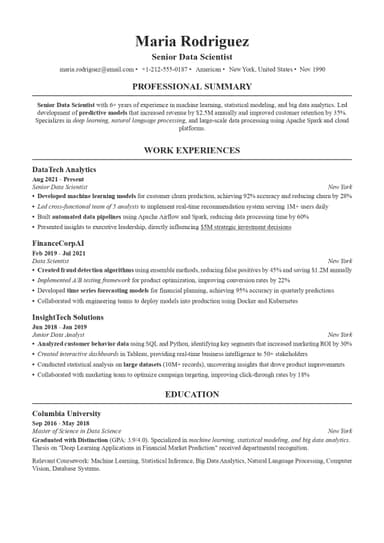
The Role of Resume in Career Advancement
Keeping your resume updated supports both internal and external advancement opportunities.
For internal promotions, it demonstrates that you're not just asking for advancement because you've been there a while—you're making a case based on qualifications and contributions. On the other hand, when applying for external opportunities, writing a good resume becomes even more critical.
ResumeBuilder.so helps immensely with application documentation. Our AI-powered resume builder helps you create a professional resume that showcases your career progression and achievements.
The platform guides you through highlighting advancement-focused content that demonstrates your growth trajectory to both ATS systems and hiring managers. You can choose different ATS-friendly resume templates designed to highlight career growth to create application materials that advance your candidacy.
Final Thoughts
Career advancement requires intentional planning, continuous skill development, strategic networking, and effective self-promotion.
The twelve strategies we've covered aren't meant to be implemented all at once. Pick two or three that resonate most with your current situation and start there. Build momentum through small consistent actions rather than attempting a complete career transformation overnight.
Remember that advancement looks different for everyone. What matters is that you're progressing toward something meaningful to you, developing capabilities that increase your value, and creating options for your professional future. Stagnation—staying in the same place while the world moves forward—is the real career risk.
Career Advancement FAQs

Jordan Lee is your guide to navigating the rapidly changing job market in the age of AI and automation. He dives into how AI is reshaping hiring, the skills of the future, and what job seekers need to do now to stay relevant. If you’re curious about how technology is transforming careers and want to future-proof your job, Jordan’s insights are a must-follow.