How to End a Cover Letter: 15+ Examples That Get Noticed

The best way to end a cover letter is with a confident final paragraph that reinforces your interest, includes a clear next step, and closes with a professional sign-off. A weak ending can undermine an otherwise stellar cover letter, while a strong professional closing reinforces your enthusiasm and leaves a positive final impression. The way you conclude your correspondence signals your level of professionalism, attention to detail, and understanding of workplace communication standards—all qualities employers evaluate when deciding who gets an interview.
This guide will walk you through everything you need to know about how to end your cover letter effectively, from crafting compelling final paragraphs to choosing the right professional sign-off for different industries and situations.
- A strong cover letter ending reinforces your interest, sets up next steps, and leaves a positive final impression.
- The final paragraph should restate enthusiasm, outline availability or follow-up, and express genuine gratitude.
- Your sign-off must match the company’s tone, with more formal closing lines for traditional industries and modern ones for contemporary workplaces.
- Avoid casual, overly formal, or generic closings that weaken professionalism or feel impersonal.
- Common mistakes include mismatched tone, weak endings, and typos—especially in the closing paragraph.
What Makes a Strong Cover Letter Ending?
A strong cover letter ending accomplishes three essential goals: it reinforces your genuine interest in the specific role, creates a clear pathway for next steps, and leaves the reader with a positive emotional impression.
Understanding the psychology behind the effective ways to end your cover letter helps you create content that resonates with hiring managers. When recruiters review dozens of applications daily, they develop an intuitive sense for which candidates truly want the position versus those who are mass-applying with generic materials.
The Final Paragraph Formula
Your final paragraph should follow a proven structure that covers all necessary elements without feeling formulaic.
- Start by reiterating your interest in the position, but avoid simply restating what you've already said in your resume or in the rest of your cover letter. Instead, connect your enthusiasm to something specific about the company or role that genuinely excites you.
- Next, mention your next steps or availability for follow-up conversations. This shows initiative while respecting the employer's process. You might reference your availability for interviews, your willingness to provide additional information, or your plan to follow up within a reasonable timeframe.
Finally, express genuine gratitude for the hiring manager's time and consideration. This isn't just politeness; it acknowledges that reviewing applications requires effort and demonstrates your appreciation for the opportunity.
Professional Sign-Off Selection
The formality level of your closing should match the corporate culture and industry standards you've observed throughout your research. Traditional industries like banking, law, and government typically expect more formal closings, while startups, creative agencies, and tech companies often appreciate slightly more contemporary approaches.
Consider the tone of the job posting, the company's website language, and any interactions you've had with current employees through LinkedIn profile optimization. If the job description uses casual language and emphasizes work-life balance, a slightly warmer closing might be appropriate. When in doubt, err on the side of professionalism rather than familiarity.
7+ Professional Cover Letter Closing Examples
The following examples demonstrate how different closings work in various contexts, helping you choose the most appropriate option for your situation. They also show real-world applications of professional endings that have helped candidates secure interviews.
Formal Business Closings
Sincerely remains the best option for formal business correspondence, particularly in traditional industries where established protocols matter. Use "Sincerely" when applying to government positions, law firms, financial institutions, or any organization where the job posting maintains a formal tone throughout.
I would welcome the opportunity to discuss how my regulatory compliance experience can contribute to your legal team's continued success. Thank you for considering my application.
Sincerely,
[Your Full Name]
Best regards offers professional versatility that works across most industries and company types. It strikes the right balance between respect and approachability, making it an excellent default choice when you're unsure about company culture.
I'm excited about the possibility of contributing to your marketing team's innovative campaigns. I look forward to hearing from you soon.
Best regards,
[Your Full Name]
Respectfully works particularly well for government positions, military contractors, and other organizations where hierarchy and formal respect are valued. It conveys deference while maintaining professional confidence.
I would be honored to serve in this capacity and contribute to your department's mission. Thank you for your time and consideration.
Respectfully,
[Your Full Name]
Yours truly takes a traditional approach that works well for established companies with formal cultures. While less common today, it can be effective when you want to convey classic professionalism.
I'm confident that my experience in financial analysis would be valuable to your investment team. I appreciate your consideration of my candidacy.
Yours truly,
[Your Full Name]
Modern Professional Closings
Best represents a contemporary communication style that's clean, professional, and widely accepted across industries. It works particularly well for email applications and companies with modern, streamlined cultures.
I'm eager to bring my project management skills to your dynamic team and would love to discuss this opportunity further.
Best,
[Your Full Name]
Thank you serves double duty as both a closing and an expression of gratitude, making it particularly effective when you want to emphasize appreciation. It works well for competitive positions where showing gratitude might set you apart.
I'm excited about the possibility of contributing to your customer success initiatives and would welcome the opportunity to discuss my qualifications in more detail.
Thank you,
[Your Full Name]
Kind regards offers warmth while maintaining professionalism, making it ideal for relationship-focused roles or companies that emphasize collaboration and team culture.
I would love to contribute to your team's continued growth and success. I look forward to the opportunity to discuss how my skills align with your needs.
Kind regards,
[Your Full Name]
Warm regards works well when you've already established some connection with the company or hiring manager, perhaps through networking events or referrals. It suggests relationship-building while staying professional.
After our conversation at the industry conference, I'm even more excited about this opportunity. I hope we can continue our discussion soon.
Warm regards,
[Your Full Name]
Several closing options can undermine your professional image, regardless of industry.
- "Cheers" feels too casual for most professional contexts, even in creative industries. "Talk soon" or "Catch you later" assumes familiarity that doesn't exist in the application process.
- Overly formal phrases like "Most respectfully yours" feel outdated and can make you seem out of touch with modern communication standards. These closings might work in very specific formal contexts, but they're generally too antiquated for contemporary job applications.
- "Love", "XOXO", and other affectionate closings are obviously inappropriate for professional correspondence. Therefore, such casual abbreviations have no place in cover letters, even for positions in relaxed environments.
- Generic closings like "Sincerely yours" or "Very truly yours" can feel impersonal and outdated. While not technically wrong, they don't add any value to your application and might make you appear less engaged than candidates who choose more contemporary options.
How to Write Your Final Paragraph: 4 Handy Tips
Writing an effective final paragraph requires combining several elements while maintaining the engaging tone you've established throughout your cover letter. The key is creating a conclusion that feels complete rather than abrupt, while avoiding unnecessary repetition of earlier points.
#1. Reaffirm Your Interest
Rather than simply stating "I'm interested in this position," connect your enthusiasm to specific aspects of the role or company that genuinely appeal to you. This approach demonstrates that you've done your research and aren't just mass-applying.
Reference something from the job description, company mission, or recent news that resonates with your career goals. For instance, you might mention excitement about the company's expansion into new markets, their commitment to sustainability, or the opportunity to work with cutting-edge technology.
Avoid repeating the same points you made in your opening paragraph. Instead, build on your initial interest by showing how your research has deepened your enthusiasm for the opportunity.
#2. Mention Next Steps
Professional communication includes clear expectations about follow-up, but you need to strike the right balance between showing initiative and respecting the employer's process. Reference your availability for interviews or additional conversations without being presumptuous about the timeline.
Consider mentioning specific availability if you have constraints, such as "I'm available for interviews next week" or "I can provide references upon request." This practical information helps move the process forward while demonstrating your responsiveness.
However, avoid ultimatums or aggressive follow-up statements like "I'll reach out again next week"; most employers prefer to control their own timeline and communication preferences.
#3. Express Gratitude
Authentic gratitude acknowledges the time and effort required to review applications, but generic thank-you statements can feel perfunctory. Instead, be specific about what you're appreciating: their time, consideration, or the opportunity to learn more about the organization.
You might thank them for the detailed job description, for their commitment to diversity and inclusion, or for creating an opportunity that aligns so well with your career goals. This approach feels more genuine than standard "thank you for your consideration" language.
#4. Call to Action Considerations
While you want to encourage response, avoid being pushy or demanding. Phrases like "I expect to hear from you soon" or "Please respond by Friday" can backfire by creating unnecessary pressure or appearing presumptuous about their interest level.
Instead, use language that expresses hope and openness: "I look forward to the possibility of discussing this opportunity with you" or "I hope we can explore how my experience might contribute to your team." These phrases encourage follow-up without creating demands.
For senior-level positions, consider incorporating language that reflects your understanding of salary negotiation processes, e.g., similar to: "I welcome the opportunity to discuss both the role and compensation package that reflects my experience level."
3 Common Cover Letter Ending Mistakes
Now that we know what we should do when picking the right cover letter ending, let’s see what we should avoid at all costs:
Mismatching your tone to the company culture can immediately signal that you haven't done adequate research or don't understand their environment. Overly casual closings in conservative industries suggest poor judgment, while excessively formal language in relaxed environments can make you seem rigid or out of touch.
Pay attention to cues from the job posting, company website, and social media presence. If their content uses contractions, humor, and casual language, you can afford to be slightly less formal. However, if their materials maintain professional distance and formal tone, match that energy in your closing.
Endings that could apply to any job at any company waste valuable opportunities to reinforce your specific interest and qualifications.
Such conclusions suggest that you're not genuinely invested in this particular opportunity, which can be especially damaging in competitive job markets. Hiring managers can easily distinguish between candidates who've customized their applications and those using templates.
Instead, reference something specific about the role, company, or industry that connects to your closing thoughts. This demonstrates continued engagement and reinforces the customized nature of your application.
Cover letter endings often contain the most errors because writers are tired by the time they reach the conclusion, and these mistakes suggest carelessness or lack of attention to detail.
Create a specific proofreading checklist for your closing section: verify the spelling of your chosen sign-off, check spacing and alignment, confirm all the information is current and accurate, and ensure your full name matches other application materials.
Cover Letter Closing Templates by Situation/Experience Level
Different career stages and circumstances require tailored approaches to cover letter conclusions. These templates provide starting points that you can customize based on your specific situation and target role.
Entry-Level Positions
New graduates and career starters should emphasize enthusiasm, eagerness to learn, and transferable skills from academic or volunteer experiences. Your closing can acknowledge your early career stage while confidently presenting your potential value.
Career Change Applications
Career changers need closings that acknowledge their transition while emphasizing transferable skills and genuine motivation for the new field. Address the change directly rather than hoping it goes unnoticed, like this:
Senior-Level Positions
Executive and senior-level applications require closings that demonstrate leadership presence and strategic thinking. Therefore, your conclusion should reflect the gravitas expected at higher organizational levels.
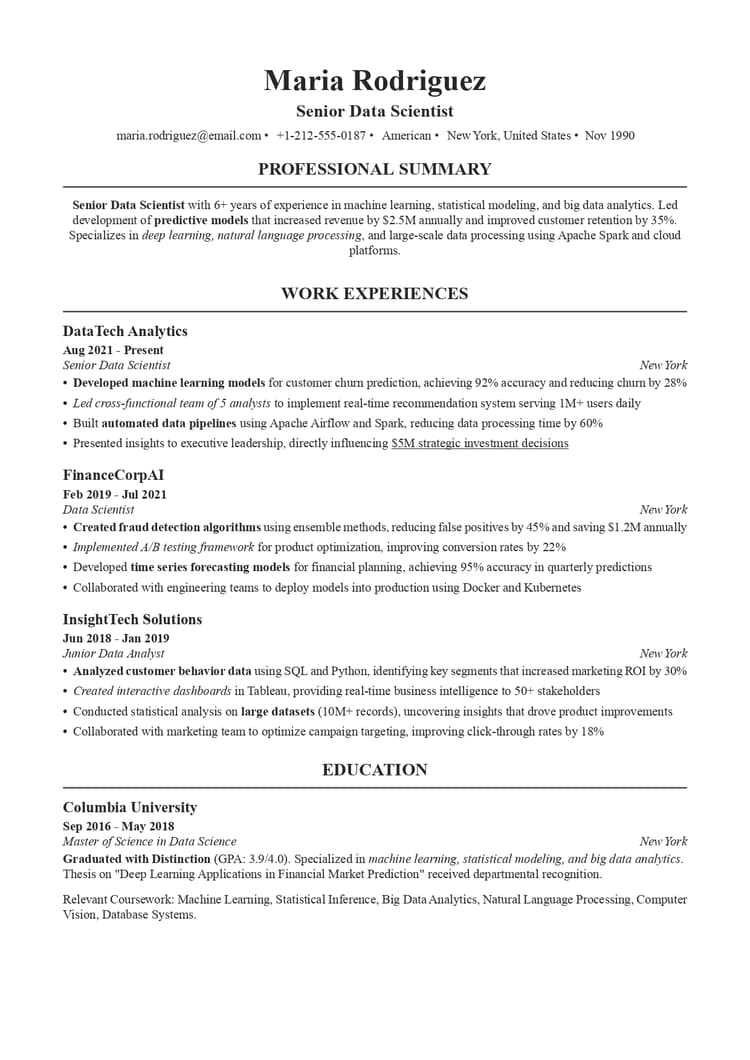
Struggling to write the perfect resume?
Use of reume builder now!Final Thoughts
Ending a cover letter effectively requires combining professionalism with personality, confidence with humility, and enthusiasm with restraint. The strongest closings feel authentic while adhering to established business communication standards that you'll also use in other professional correspondence.
Your cover letter closing is your final opportunity to make a strong impression before hiring managers decide whether to consider you for interviews. Therefore, you should make it count by choosing an ending that reflects your genuine interest in the opportunity.
How to End a Cover Letter FAQ

Ava Sinclair is the Founder of ResumeBuilder.so and a seasoned expert in HR and recruitment. As the driving force behind ResumeBuilder.so, Ava combines her expertise in recruitment and job-seeking strategies to empower job seekers with intuitive, high-impact resume-building tools.