How to Get an Internship: A Step-by-Step Guide


Getting an internship starts with knowing what you want, targeting roles that fit your goals, and presenting yourself as someone worth taking a chance on. All that means you need to build a solid resume, tailoring each application to a specific opportunity, and write a clear cover letter when needed to show genuine interest, reliability, and potential.
The problem most students run into isn't a lack of qualifications. It's that they don't know where to start or what to prioritize. If that sounds familiar to you, you're in exactly the right place! This guide walks through every step: from defining your goals and building a resume to some useful internship tips for students.
- Getting an internship starts with clarity, so define your goals early, target the right industries, and begin searching 3–6 months before your desired start date.
- A strong internship application depends on a tailored resume, a specific cover letter, and clear proof of transferable skills through coursework, projects, volunteer work, or campus involvement.
- Networking matters because many internships are filled through referrals, alumni connections, career services, and direct outreach before they ever appear on public job boards.
- Meaningful applications strategically beat mass-applying, so focus on relevant roles, submit applications early, track everything carefully, and use multiple search channels instead of relying on one platform.
- Landing the internship often comes down to interview preparation and follow-through, which means researching the company, preparing examples, asking smart questions, and sending a thank-you email within 24 hours.
What Is an Internship, and Why Does It Matter?
An internship is a short-term, supervised work experience that gives students and recent grads hands-on exposure to a specific field or industry. They typically run 8–16 weeks, though some stretch longer, and they can be in-person, remote, or hybrid.
There are three main types worth knowing about:
- Paid internships offer hourly wages or a stipend, and you're building experience and your bank account at the same time, so many people prioritize them.
- Unpaid internships provide no direct compensation but may offer academic credit. They vary widely in quality and have sparked ongoing legal debates.
- Credit-bearing internships are structured through your university's academic program. They often come with built-in mentorship and formal learning objectives, which can be genuinely valuable.
With time, employers have quietly shifted how they evaluate candidates. Internship experience now frequently carries more weight than GPA when hiring managers screen applicants.
Furthermore, according to NACE’s 2025 Internship & Co-op Report, employers extended full-time offers to 62% of their 2023–24 interns. Companies increasingly use internships as an extended audition; they want to see how you work in the actual environment before making a full-time commitment.
And finally, beyond the hiring pipeline, internships help you build a resume with real content, develop professional skills you can't learn in a classroom, and (maybe most importantly) figure out what you actually want to do before you're locked into a career path.
When Should You Start Looking for an Internship?
You should start looking for an internship at least 3–6 months before the start date you're targeting, as many competitive programs open applications in the fall for the following summer.
Here's a rough breakdown by season:
- Summer internships: October through February: it’s the most competitive tech, finance, and consulting programs open even earlier (some in August or September).
- Fall internships: Apply June through August.
- Spring internships: Apply September through November.
The research phase (identifying companies, building skills, refining your resume) should start even earlier than that. High-demand employers in tech, finance, and consulting recruit on accelerated timelines, and the candidates who land offers are usually the ones who started preparing a semester ahead of everyone else.
How to Get an Internship: 8 Steps That Actually Work

Getting an internship comes down to preparation, strategy, and persistence. Follow these eight steps to build a strong application and stand out from the competition:
Step 1: Define Your Goals and Target Industries
Before you send a single application, take a breath and get clear on what you actually want, as even a rough direction is better than none.
Ask yourself: What field interests me? What skills do I want to walk away with? Do I want an in-person experience, or would remote work better suit my schedule? Clarity of direction changes how you write your resume, talk in interviews, and which opportunities you pursue.
Rather than mass-applying everywhere, narrow your focus to 2–3 target industries or job functions. A marketing student who's genuinely interested in content strategy will write a more compelling application than one who's applying to "anything available." Plus, recruiters will surely feel the difference immediately.
For students, smaller companies, nonprofits, and startups are often the best entry points because they offer more hands-on responsibility, are more flexible on requirements, and are frequently more willing to take a chance on someone who's eager and coachable.
Step 2: Build a Strong Internship Resume
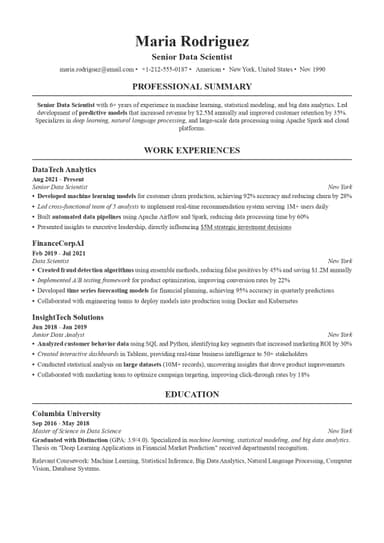
Your resume is the most critical component of your internship application. It's the first impression employers get, and in competitive programs, it has just a few seconds to make that impression count.
Most students have limited experience, but this doesn't have to mean an empty resume. When you don't have a traditional work history, you lean on what you do have, and you present it strategically through:
- Coursework and class projects, especially those where you produced something tangible
- Club leadership and campus organizations
- Volunteer work, even informal or one-off events
- Freelance or personal projects, such as a blog, a GitHub repo, design work, anything with measurable output
- Certifications from Google, HubSpot, Coursera, LinkedIn Learning, or similar platforms
You should also tailor your resume for each application by using the keywords from the job description. This helps you get past applicant tracking systems (ATS) that screen resumes before a person ever sees them. An ATS-friendly resume uses standard formatting, clean fonts, and keyword alignment to survive that first filter.
Finally, an important internship resume tip: if you aren’t sure how to write a solid resume or don’t want to do it from scratch, ResumeBuilder.so can help you. Our AI-powered tools can analyze your past work experience and the skills you possess and generate a fully customized resume that will highlight all your competencies, even if you have a limited work history.
All you need to do is pick a resume template based on your needs and give us some essential details about your previous professional endeavors; the rest is on our tool!
Step 3: Write a Compelling Cover Letter
A cover letter gives employers a sense of who you are and what you've done; when you have little to no experience, a well-crafted one becomes one of your most powerful tools.
The goal is to use the internship cover letter to explain why this specific company appeals to you and why this specific role fits where you're headed. Yet, generic letters get spotted immediately and usually discarded just as fast, so you need to do a few things to avoid this:
- Address a specific person when you can. "Dear Hiring Manager" works, but "Dear [Name]" works even better, as the approach is personalized.
- Lead with something genuine. It can be a connection to the company's mission, a project you admired, or a problem in their space that you find interesting.
- Highlight 2–3 transferable skills with brief, concrete examples. Don't just claim you're "detail-oriented"; you also need to show it.
Step 4: Build and Leverage Your Network
Many internships are filled before they're ever publicly posted. Companies often hire through referrals, existing relationships, or direct outreach, which means the traditional "apply online and wait" approach misses a significant chunk of the market.
Networking for internships closes that gap here, and it doesn't have to feel weird or transactional if you approach it as genuine relationship-building rather than asking for favors. You can start with:
- Professors since many have industry connections or are former students now working in fields you're targeting
- Career services advisors; they are underutilized but often sitting on employer relationships and exclusive listings
- LinkedIn, where you can connect with alumni from your school who work in target companies; most are willing to share advice
- Campus clubs and professional organizations, especially the industry-focused ones that often host guest speakers and company visits
- Career fairs
When reaching out to someone for the first time, keep it short and specific. The goal is to ask for a 15-minute informational interview, e.g., "I'm a junior studying marketing, and I'm exploring careers in brand management. I'd love to hear how you got into your role, so would you be open to a brief call?" That's a low-pressure ask that most people are genuinely happy to say yes to.
You should target recruiters or early-career professionals rather than executives; senior leaders are often time-constrained in ways that make unsolicited outreach less effective.
Step 5: Search in the Right Places
Not all internship search platforms are created equal, and most students stop at one or two when they should be working four or five simultaneously. The best platforms for finding internships right now include:
- LinkedIn. It has a massive reach, is easy to filter by location and industry, and it’s good for networking alongside applying.
- Indeed. This is a broad job board with strong internship filtering options.
- Handshake. Here, we have a university-specific platform with exclusive postings from employers actively recruiting from your school; if you're not using it, you're missing opportunities!
- Glassdoor. It’s useful for both finding roles and researching company culture before you apply.
- Idealist. This platform is dedicated specifically to nonprofit and social impact internships.
- Company career pages. These are often the first places new opportunities are posted, especially at mid-size and large employers.
Company career pages are underrated, as major employers will post internships on their own websites days before syndicating to job boards. If you have a target list of 10–20 companies, check their careers sections directly every week or two during application season.
Your school's career services office is another resource that students consistently underuse. Many universities have exclusive employer partnerships and internship listings that never appear on public job boards.
You should set up email alerts on job boards using keywords relevant to your target role so that new postings come to you automatically instead of requiring manual searches.
Step 6: Apply Strategically and Early
Timing is everything in the internship application process, and most students realize this too late.
A few strategic principles worth keeping in mind would be to:
- Apply to a range of opportunities. This entails a mix of reach companies, solid matches, and more accessible options (startups, local businesses, nonprofits, etc.). Don't put all your effort into one dream company.
- Track everything in a spreadsheet. Company name, role title, application deadline, submission date, current status, and follow-up date should be noted in a specific table. Applications blur together fast, and a tracking system keeps you from missing critical windows.
- Make sure quality beats quantity. A tailored, carefully written application to 20 roles is much better than a generic application.
Step 7: Ace the Internship Interview

The good news is that internship interviews are different from senior-level hiring ones. Employers aren't expecting a polished professional with years of experience, but are looking for enthusiasm, coachability, and clear communication. That's a much lower bar, and also one you can genuinely prepare for.
Here are the two most important internship interview tips:
- Research the company's mission, recent news, and the specific role's responsibilities; spend at least 30–45 minutes on this
- Prepare 3–5 short stories using the STAR framework (Situation, Task, Action, Result); these can come from class projects, volunteer work, clubs, or even part-time jobs.
Some common internship interview questions you can prepare for would be:
- "Tell me about yourself." (Keep it professional, up to 60–90 seconds, and end with why you're here.)
- "Why do you want this internship?"
- "Describe a challenge you've overcome."
- "What are your strengths?" (Pick one or two and back them up with a brief example.)
Also, make sure you prepare a few questions to ask them, such as "What does a successful first month look like for this role?" or "What do interns typically work on day-to-day?" Good questions leave a lasting impression.
When it comes to interview outfits, it’s simple: when in doubt, dress one notch above the company's stated culture. It's always easier to dress down if you arrive overdressed than to explain why you showed up to a formal environment in a hoodie.
Step 8: Follow Up After the Interview
Within 24 hours of any interview, send a thank-you email; a specific, brief note that references something real from your conversation.
It should include three things: genuine appreciation for their time, a specific callback to something you discussed, and a clear reiteration of your interest in the role. It takes five minutes and most candidates don't bother, which means doing it immediately puts you ahead.
If you're rejected, consider requesting brief feedback. This demonstrates maturity that, again, most candidates don't show, and it occasionally opens a door to a future opportunity.
Final Thoughts
Landing an internship is less about having the perfect resume and more about taking consistent, intentional action. Needless to say, that's genuinely good news, because action is something you can definitely control.
The process gets faster and less intimidating with each cycle. All you should do is make sure you start with a solid resume and a clear sense of what you're looking for, and then start applying for the relevant roles and networking, and don't stop until you get the internship you’re hoping for!
How to Get an Internship FAQ

Emily Foster knows how nerve-wracking it can be to land your first job—she’s been there. As a mentor for young professionals, she shares exactly what hiring managers want from entry-level candidates. From internship hacks to interview confidence tips, Emily helps students and recent grads navigate the job search with ease.