13+ Essential Restaurant Manager Skills for Your Resume

Restaurant manager skills are the abilities that help someone run a restaurant smoothly by leading staff, supporting guests, and keeping daily restaurant operations under control. These include both hard skills, such as scheduling or budgeting, and soft skills, such as leadership, communication, problem-solving, and conflict resolution.
Given that these professionals are responsible for both the customer experience and the business side of service, employers look for candidates who can stay calm under pressure, make quick decisions, and keep teams organized during busy shifts.
This article breaks down the most important restaurant management skills to include in your resume and cover letter. You’ll learn which ones employers value most, as well as how to describe and prove them, so stay with us for this useful read!
- Restaurant manager skills include both soft skills, such as leadership, communication, conflict resolution, and emotional intelligence, and hard skills, such as budgeting, scheduling, inventory management, and compliance.
- Good restaurant managers need to balance guest satisfaction with business performance, which means controlling labor costs, reducing waste, managing staff, and maintaining service quality.
- Technology skills are increasingly important, including POS system proficiency, restaurant management software, scheduling tools, and online reputation management.
- Resume bullet points should prove all these skills through measurable achievements, such as reduced food waste, improved customer satisfaction, lower turnover, or stronger sales performance.
- Restaurant manager skills can be developed through hands-on experience, cross-training, mentorship, certifications, formal education, and consistent self-directed learning.
What Are Restaurant Manager Skills?
Restaurant manager skills are the abilities that allow a manager to run a profitable, efficient, and positive dining operation. They fall into two main buckets: hard skills, which are measurable and teachable, and soft skills, which are behavioral and interpersonal.
In hospitality, both categories are equally critical. You can know your food cost percentages cold, but if your team doesn't trust you, the numbers will suffer anyway. The reverse is also true, as a beloved manager who can't control labor costs will eventually lose their job.
The U.S. Bureau of Labor Statistics reports a 6% job outlook for food service managers, with 42,000 new job openings each year. This matters because your skills directly influence whether you’ll manage to land one of those roles, since the competition can be tough.
What’s encouraging is the fact that 9 in 10 restaurant managers started in entry-level positions, which means most of these skills are developed through experience, not necessarily through education.
Let’s take a look at the most important ones, organized into hard, soft, and technology skills.
5 Hard Skills for Restaurant Managers
Hard skills for restaurant managers are the technical, measurable competencies that keep operations efficient and profitable. These can be learned through experience, formal training, and certifications, and they're what hiring managers and operators look for when they want proof you can run a business.
#1. Financial Management and Budgeting
What it is: Understanding food cost percentages, labor cost ratios, profit margins, and P&L statements.
Why it matters: Without financial literacy, these professionals can't make informed decisions on menu pricing, staffing levels, or purchasing volume. Financial skill is what separates a manager from an operator, and owners trust managers who understand the numbers and promote them accordingly.
How to develop it: Here, you can study basic accounting through a course or a book like "Restaurant Financial Basics" by Raymond Schmidgall. Other options you can turn to are using restaurant management software with built-in P&L reporting and seeking mentorship from an experienced GM who's willing to walk you through their weekly numbers.
Managed a monthly operating budget of $85K, reducing controllable costs by 11% within six months.
#2. Inventory and Supply Chain Management
What it is: Managing par levels, tracking usage, placing vendor orders, and minimizing food waste across your operation.
Why it matters: The ReFED 2025 U.S. Food Waste Report found the foodservice sector generated 12.5 million tons of food waste in 2024, most of which would be preventable with smarter inventory practices. Every dollar of wasted food comes directly off your margin.
How to develop it: Standardizing prep lists and par levels using actual sales data rather than gut feel, reviewing weekly, and adjusting seasonally can help you make your abilities stronger.
Oversaw weekly inventory counts and vendor orders, reducing food waste by 18% year over year.
#3. Scheduling and Labor Management
What it is: Building efficient, fair shift schedules that balance adequate coverage with labor cost targets.
Why it matters: Over-scheduling wastes budget, while under-scheduling burns out your team. Both drive turnover, so learning to forecast demand from your historical sales data and build schedules around it is one of the highest-ROI skills a manager can develop.
How to develop it: Learn demand forecasting using POS historical data, use scheduling software (7shifts, Homebase, or HotSchedules), and track sales-per-labor-hour as a weekly KPI.
Created weekly schedules for 35+ employees, reducing overtime costs by 14% while maintaining full shift coverage.
#4. Health, Safety, and Compliance
What it is: Working knowledge of local health codes, food safety regulations, alcohol licensing laws, and OSHA requirements.
Why it matters: As a restaurant manager, you are the last line of defense between a safe dining experience and a liability event, so there's no room for guessing here.
How to develop it: Obtain a ServSafe Food Manager Certification or equivalent, stay current on local regulations, and conduct regular internal audits before official inspections.
Trained staff on health code standards and allergy protocols, reducing service errors related to dietary requests by 20%.
#5. Customer Service and Guest Experience
What it is: Setting the standard for hospitality, handling complaints effectively, and creating conditions that drive repeat visits and positive word-of-mouth.
Why it matters: Most diners are more likely to return to a restaurant where they received excellent service, even if the food was only average, and that speaks a lot about the importance of customer service skills.
How to develop it: Define service standards in writing and train your team to them consistently, create a complaint resolution protocol, and track and respond to online reviews within 24 hours.
Resolved guest complaints quickly and professionally, maintaining a 94% customer satisfaction score.
Resolved guest complaints quickly and professionally, maintaining a 94% customer satisfaction score.
7 Soft Skills for Restaurant Managers
Soft skills are the people-facing competencies that no software can replace, and these include:
#1. Leadership
What it is: The ability to motivate, direct, and set the tone for an entire team.
Why it matters: Managers who lead by example reduce turnover and raise morale. Black Box Intelligence Q2 2025 found that restaurant units with stable general managers generated 3.5% higher sales growth and saw hourly staff turnover drop by 21 percentage points.
How to develop it: To hone your restaurant leadership skills, take on shift-leader responsibilities before moving into management. You can also attend leadership workshops and study coaching frameworks like SBI (Situation-Behavior-Impact) for giving feedback.
Led a 28-person front-of-house team, improving table turnover by 18% during peak weekend shifts.
#2. Communication
What it is: Clear verbal and written communication across the kitchen, front-of-house, vendors, and guests.
Why it matters: Poor communication during a rush creates errors, complaints, and food safety risks. Meanwhile, a connected team performs better in every measurable metric, such as ticket times, table turns, guest satisfaction scores, etc. When things go sideways (and they will), communication is the first thing that saves the night.
How to develop it: Practice structured pre-shift briefings, use internal communication tools like 7shifts or Connecteam, and actively seek feedback from your team after difficult service.
Coordinated shift briefings with servers, hosts, and kitchen staff, reducing order errors by 15%.
#3. Conflict Resolution
What it is: Mediating disputes between staff members, or between staff and guests, fairly and quickly.
Why it matters: Unresolved conflicts damage morale, degrade performance, and can create legal liability. In a high-pressure kitchen or a packed dining room, small tensions escalate fast, so a manager who can de-escalate calmly is an operational asset.
How to develop it: Study active listening techniques, establish clear HR policies and protocols for handling conflicts before you need them. You can also role-play difficult guest scenarios in team training sessions.
Resolved guest complaints at the table, maintaining a 92% customer satisfaction rating across quarterly surveys.
#4. Adaptability and Problem-Solving
What it is: Pivoting quickly when equipment fails, staff call in sick, or an unexpected rush hits with 20 minutes' warning.
Why it matters: The restaurant environment is inherently unpredictable. Managers who freeze under pressure put the entire operation at risk. The ones who thrive treat every problem as a logistics puzzle without catastrophizing.
How to develop it: Practice triage decision-making frameworks (urgency vs. importance). Additionally, conduct post-shift debriefs to review what worked and what didn't, and build contingency plans for your most common failure points.
Adjusted floor plans and staffing during unexpected rushes, reducing average wait times by 10 minutes.
#5. Emotional Intelligence
What it is: Self-awareness, empathy, and the ability to read and manage the emotional temperature of a team under pressure.
Why it matters: Burnout is widespread in this industry. Emotionally intelligent managers spot warning signs early, both in themselves and their teams, and address them before they spiral.
How to develop it: Practice self-reflection, seek mentorship, and make sure you study Goleman's four-domain model (self-awareness, self-management, social awareness, relationship management).
Supported staff through high-pressure service periods, helping reduce front-of-house turnover by 16%.
#6. Time Management and Multitasking
What it is: Prioritizing tasks, delegating effectively, and keeping multiple operational threads running simultaneously across a shift.
Why it matters: Managers without time management skills make working hours longer for everyone. On the other hand, effective delegation (knowing what to hand off and to whom) is the skill inside the skill.
How to develop it: You can improve your multitasking by using structured scheduling tools and building daily and weekly checklists. Additionally, practice deliberate delegation by identifying which tasks require your judgment and which don't.
Managed scheduling for 35+ staff across three daily shifts while maintaining food cost within 2% of budget.
#7. Staff Training and Development
What it is: Onboarding new hires, cross-training staff across roles, and identifying high-potential employees for advancement.
Why it matters: Professionals who invest in their people see lower turnover, stronger performance, and a healthier culture. The cost of replacing a single restaurant employee could take thousands of dollars when you factor in recruiting, training, and the productivity dip, so it’s safe to say that training is a financial lever.
How to develop it: Create structured onboarding checklists and set 30/60/90-day goals for new hires. Building a cross-training rotation so your team can cover multiple stations can also be helpful.
Trained 12 new hires on service standards, POS procedures, and guest communication, reducing onboarding time by 30%.
3 Tech Skills for a Restaurant Manager Resume
Technology is no longer optional, but a must, so every restaurant manager needs to possess these abilities:
#1. POS System Proficiency
What it is: Mastery of point-of-sale systems for order management, payment processing, voids, refunds, and sales reporting.
How to develop it: Request hands-on training from your system vendor. Most major platforms (Toast, Square for Restaurants, and Aloha) offer free self-guided training resources and certification programs.
Processed daily transactions through Toast POS, maintaining 99% payment accuracy across high-volume dinner shifts.
#2. Restaurant Management Software
What it is: Proficiency in platforms that handle scheduling, inventory, payroll, reservations, and performance analytics.
Why it matters: Those who use the right software make faster decisions, reduce administrative burden, and have better visibility into costs and staffing patterns. Manual spreadsheets simply can't compete with real-time dashboards.
Used 7shifts to manage schedules, time-off requests, and labor forecasts for a 40-person team.
#3. Social Media and Online Reputation Management
What it is: Monitoring and responding to reviews on Google, Yelp, and TripAdvisor, as well as maintaining a brand presence on Instagram and Facebook.
Why it matters: Online reputation directly influences reservations and walk-in traffic, so good social media skills are non-negotiable for these professionals. A single unaddressed negative review can cost dozens of potential covers.
How to develop it: Set up Google Alerts for the restaurant's name, establish a 24-hour review response policy, and learn basic social media scheduling tools like Buffer or Later.
Responded to guest reviews across Google and Yelp, improving the restaurant’s average rating from 4.1 to 4.5 stars.
How to Develop Restaurant Manager Skills
You can develop restaurant manager skills through a combination of hands-on experience, formal education, mentorship, and self-directed learning. There's no single path, as most great managers assemble their skills from multiple sources over the years.
Here's where to start.
- Start from the floor. Cross-training across waitstaff, line, and hosting builds the operational empathy that makes a great manager. You can't lead a kitchen team if you've never survived a dinner rush on the line.
- Consider formal education. Hospitality management programs and culinary business degrees provide structured training in finance, operations, and HR. They're not required, but they're valuable for senior roles at larger restaurant groups.
- Earn relevant certifications. ServSafe, TIPS (alcohol safety), and food handler permits are direct trust signals for employers. Include every relevant credential in a dedicated certifications section on your resume.
- Seek mentorship and shadowing. Find experienced GMs willing to share knowledge. Shadowing during high-volume shifts is one of the fastest ways to build the kind of situational judgment you simply can't get from a course.
- Use online resources. LinkedIn Learning, Coursera, and the National Restaurant Association Education Foundation all offer relevant hospitality management skill honing and leadership content. Budget even one hour a week and you'll cover meaningful ground over six months.
How to Put Restaurant Manager Skills on a Resume
You can put restaurant manager skills on a resume by creating a separate skills section, embedding them into work experience bullet points, and quantifying your achievements wherever possible.
Here's a step-by-step approach that works for both human readers and ATS screening systems.
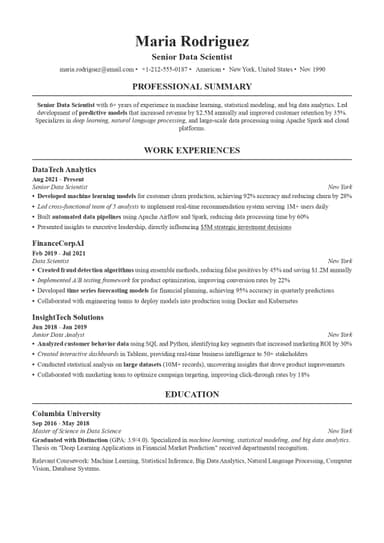
- Create a separate skills section. List 8–12 relevant hard and soft skills, and tailor the list to the specific restaurant manager job description you’re applying for. It’s best to use industry-standard terminology that matches what employers actually search for.
- Embed skills in work experience. Show the outcomes of using your skills in this section through the CAR formula: Challenge → Action → Result.
- Quantify your achievements. Numbers stand out to hiring managers and ATS systems alike; if you don't have exact figures, use ranges or percentages.
- Use ATS-friendly language. Mirror keywords from the job description. Many restaurant groups use applicant tracking systems to screen resumes before they reach hiring managers. An ATS-friendly resume that matches the job listing gets through; the one that doesn't will be eliminated.
- Include relevant certifications. ServSafe, TIPS, and alcohol licensing credentials belong in a dedicated certifications section. They're immediate trust signals for any employer in the hospitality space.
For a seamless resume that passes all scans, it’s best to use ResumeBuilder.so. Our platform gives you ATS-optimized templates, built-in guidance on customizing your document, and a professional format that puts your skills front and center.
Final Thoughts
Mastering food service manager skills is a continuous process. The best managers you'll ever work for share a common trait: they never stop learning. They study their numbers, coach their teams, adapt when things go sideways, and show up for their people even when the shift is brutal.
It doesn’t matter whether you're building these skills for the first time or sharpening a set you've refined over the years. The next step is the same: you need to document them. A well-crafted resume that showcases your restaurant manager qualifications, quantified achievements, and relevant certifications is the difference between being overlooked and being called in.
Restaurant Manager Skills FAQ

Maya Brooks believes that a fulfilling career shouldn’t come at the cost of your mental health. Having worked in corporate HR, she’s seen firsthand how burnout culture can wreck careers. Now, she shares real-world strategies for setting work boundaries, avoiding toxic workplaces, and finding joy in your job.