How to Find a Job After Rehab: A Guide for People in Recovery


Finding a job after rehab starts with rebuilding your routine, identifying realistic roles, and preparing to explain the employment gap to the employer without oversharing. All you should do is focus on what employers actually care about: your skills, reliability, work ethic, and readiness to show up consistently.
This guide explains how to handle job gaps after rehab in a practical, low-pressure way. You’ll learn how to update your resume, handle interview questions, search for supportive employers, rebuild confidence, and use your recovery as a foundation for stability rather than something that holds you back.
- Finding a job after rehab starts with rebuilding your routine, updating your resume, and focusing on your skills, reliability, and readiness to work.
- You don’t have to disclose your rehab history to employers unless you choose to, and you can explain employment gaps with simple, professional wording.
- People in recovery have legal protections under the ADA and FMLA, but these protections do not apply to current illegal drug use or workplace policy violations.
- Recovery-friendly job boards, sober communities, counselors, sponsors, and American Job Centers can all help you find supportive employment opportunities.
- The best jobs after rehab are usually structured, stable, and low-stress enough to support your recovery while helping you rebuild confidence.
Why Getting a Job After Drug Rehab Matters
Getting a job after drug rehab matters because employment is one of the strongest predictors of long-term recovery success.
The connection isn’t coincidental. Namely, work provides:
- The daily structure that idle time often robs you of
- The sense of purpose that’s so easy to lose in early recovery
- The financial stability that makes maintaining your sober lifestyle realistic
Besides that, research suggests that gaining or improving employment after substance use treatment may be linked to lower relapse risk and higher abstinence rates. When you have somewhere to be at 8 a.m., a team counting on you, and a paycheck that funds your life, the incentive system shifts in your favor.
Now, returning to work after rehab can feel genuinely scary; you might worry about performance, judgment, or whether you’re ready for it at all. Those worries are a sign that you’re taking this seriously, and the benefits of working toward employment far outweigh the discomfort of starting.
3 Challenges of Finding Employment After Addiction Recovery

The most common challenges of finding employment after addiction recovery include employment gaps, stigma from employers, and uncertainty about what to disclose. It’s very important to know that none of these is permanent, and none of them makes employment impossible.
Let’s learn more about each:
#1. Employment Gaps on Your Resume
An employment gap on your resume isn’t the automatic red flag most people assume it is. Employers see career breaks all the time: for caregiving, health reasons, travel, and layoffs. What they’re actually looking for is how you handle them when they come up.
The key is framing it right: e.g., "personal development leave" or "health-related absence" are both honest and widely accepted ways to describe time away.
#2. Stigma and Employer Discrimination
Stigma around addiction and recovery still exists in some workplaces, but it’s steadily decreasing, and the legal landscape has shifted considerably. For instance, many states have “ban the box” laws that delay criminal background check questions until later in the hiring process.
More importantly, a growing number of employers actively recruit people in recovery, recognizing that they often show exceptional work ethic, self-awareness, and commitment. You’re not coming to the table empty-handed; legal protections also exist, which we’ll cover in one of the upcoming sections.
#3. Stress as a Relapse Trigger
Job search in recovery is stressful, and so is starting a new role, but that’s not a reason to avoid working. In fact, it’s a reason to be intentional about how you manage the process.
Here, you can work with your therapist or counselor throughout your job search. Choose work environments that support, rather than challenge, your recovery, because the right job is part of protecting what you’ve built.
Your Legal Rights When Job Hunting After Rehab

Your legal rights when job hunting after rehab are protected under the Americans with Disabilities Act (ADA) and the Family and Medical Leave Act (FMLA).
The ADA prohibits employers from discriminating against someone who is in recovery from addiction. If you’re no longer using illegal drugs and you’re participating in a supervised rehabilitation program (or have completed one), you’re covered. Employers cannot fire you, refuse to hire you, or treat you differently solely because of your recovery history.
On the other hand, if you sought treatment while employed, the FMLA may have applied, providing up to 12 weeks of unpaid, job-protected leave for qualified medical situations, including addiction treatment.
What Employers Can and Cannot Ask
During the hiring process, an employer cannot ask about your medical history or treatment. They can ask whether you currently use illegal drugs, but your rehab history is your medical information. Therefore, under the ADA, employers are prohibited from asking about your medical or treatment history during the hiring process. You are not obligated to volunteer it.
The ADA protections apply to people in recovery, but they do not protect current illegal drug use or violations of workplace substance policies.
How to Find a Job After Rehab: 8 Practical Steps
Here are the most effective steps for finding a job after rehab, from rebuilding your resume to navigating interviews with confidence:
Don’t rush going back to work; readiness is about being honest with yourself. Ask yourself: “Can I handle workplace stress right now without compromising my sobriety?” and talk this through with your therapist or counselor before you start sending applications.
Many rehab centers and sober living programs offer life skills training and vocational support as part of aftercare, so take full advantage of these resources before you go it alone.
This is the most important tactical step in your job search, and it’s more manageable than it might feel at the moment.
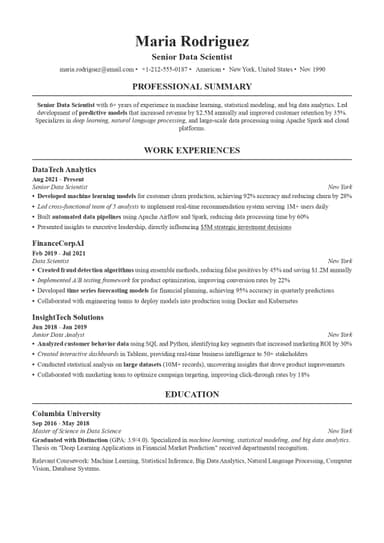
Your work history, competencies, and skills didn’t disappear when you went to rehab. Therefore, you should start by listing everything you brought to the table before your leave. Then, add the skills you’ve developed during recovery, such as discipline, self-awareness, problem-solving, and the ability to ask for help.
If you need help with this step, you can use a professional resume template from ResumeBuilder.so, and our AI-powered resume builder will take care of the rest, creating a polished, ATS-friendly document in minutes.
Your cover letter is where tone and personality shine through in ways a resume for people in recovery simply can’t. Focus on what you bring to the role (your skills, resilience, and commitment to showing up), and don’t lead with your rehab story but with your value.
Your 12-step group, therapy group, or sober living community is your most immediate professional network, and people often underestimate their power.
Business owners in support groups hire directly, and sponsors and counselors write character references that carry real weight. In other words, people in recovery look out for each other in the job market.
LinkedIn is also worth setting up or refreshing. You don’t need to say anything about your recovery; you can just use it for professional networking, learning, and visibility.
Several organizations exist specifically to connect people in recovery with employers who actively want to hire them, including:
- America in Recovery, which matches candidates with second-chance employers
- National Hire Network that assists people with criminal records in finding community-based work
- American Job Centers (Department of Labor) with free career resources and job placement support
- Salvation Army and National Skills Coalition, which provide additional support programs for people in transition
As previously mentioned, you don’t have to disclose what happened to your potential employers. Under the ADA, employers cannot ask about your medical or treatment history during the hiring process.
If you choose to disclose, frame it as a strength rather than a weakness. This shows that you recognized a problem, took action, and came out more self-aware and more committed than before. It also shows how brave and determined you are.
You can also prepare a short, practiced response for interview questions about your gap. Run it by your therapist, your sponsor, or a trusted friend before you’re sitting across from a hiring manager.
There’s no rule that says your first move back into the workforce has to be a full-time salaried role.
Volunteering, part-time work, and internships all do the same thing: they demonstrate reliability, rebuild your professional confidence, and give employers something current to evaluate.
Once you’re hired, keep your recovery routines in place; meetings, therapy, and check-ins mustn’t stop because you’re employed. Also, be thoughtful about the work environments you’re walking into: high-stress, high-pressure workplaces, or those tied to your past substance use, may pose more risk in early recovery.
If you're on medication-assisted treatment (MAT) and concerned about workplace drug testing, know that the ADA protects you from discrimination based on lawfully prescribed medications. You are not required to disclose your MAT status upfront, but if a drug test flags a prescription medication, you can provide documentation from your prescriber.
How to Handle an Employment Gap in Your Interview
You can handle an employment gap in your interview by preparing a short, honest, and forward-looking response that focuses on what you learned and what you bring to the role. Most employers care far more about your current reliability than your past timeline, so your job is to make that shift easy for them.
Now let’s examine two sample answers. What’s important is to practice your response out loud, alone or with another person, while conducting a mock interview; this way, you find the words that feel natural rather than rehearsed.
#1. Sample Answer
This one doesn’t disclose rehab specifically:
“I took some time away from the workforce to address a personal health matter. During that time, I focused on building habits and routines that have made me more focused and resilient. I’m genuinely excited to bring that energy to this role.”
#2. Sample Answer
This one frames the disclosure positively:
“I’ll be direct. I sought treatment for a substance issue and have been in recovery for [X months/years]. It’s been the most clarifying experience of my life. I’ve built discipline and self-awareness I didn’t have before, and I’m ready to bring that to work.”
Best Jobs for People in Recovery
The best jobs for people in recovery offer structure, purpose, and a low-stress environment that supports long-term sobriety. In early recovery, especially, you want a role that’s demanding enough to be engaging but not so chaotic that it becomes a daily trigger.
Some strong options include:
- Peer recovery support specialist/counselor: your lived experience is the credential
- Healthcare support roles, such as those in CNA, medical billing, or patient coordination
- Skilled trades like electricians, plumbers, and technicians: these are in high demand and bring a clear structure
- Remote or flexible work roles, which allow schedule control around meetings and appointments
- Non-profit and social service organizations, which are often mission-driven and recovery-aware cultures
- Entrepreneurship/self-employment for those ready to set their own terms
High-pressure sales environments or hospitality roles with heavy alcohol exposure tend to carry more risk in early recovery. That doesn’t mean they’re off-limits forever, but you need to be honest with yourself about timing.
Final Thoughts

Maya Brooks believes that a fulfilling career shouldn’t come at the cost of your mental health. Having worked in corporate HR, she’s seen firsthand how burnout culture can wreck careers. Now, she shares real-world strategies for setting work boundaries, avoiding toxic workplaces, and finding joy in your job.