How to Quit a Job the Right Way (Step-by-Step Guide)

To quit a job the right way, you should give your two weeks’ notice on time, tell your manager first, and follow up with an official resignation letter for them.
A bad resignation can follow you, because industries are smaller than they look. So, if you handle an exit poorly, that can undo years of goodwill and also ruin your chances for some future jobs.
The good news is that we can guide you through every step, from deciding it's time to go to your last day and what comes after. Regardless of the situation you’re in, there's a right way to do it, and it's not as complicated as it feels if you follow our advice!
- Quit professionally by telling your manager first, giving proper notice, and following up with a formal resignation letter.
- Before resigning, review your contract, prepare financially, confirm benefits and final pay details, and ideally line up your next role.
- A smooth transition matters, so document your responsibilities, help with handover tasks, and avoid coasting during your notice period.
- Keep your exit clean and neutral, especially in resignation letters and exit interviews, because negative comments can damage your reputation.
- After leaving, update your resume and LinkedIn while your achievements are still fresh, and take time to reset before your next role.
4 Signs It May Be Time to Resign From a Job
You may be ready to quit your job if you notice consistent signs of disengagement, burnout, or misalignment with your career goals.
All this is different from having a rough quarter or a frustrating week, which is normal. What we're talking about here are patterns that don't go away regardless of how much time passes.
Let’s explore the four most common reasons to leave a job in more detail:
#1. You're Consistently Burned Out or Disengaged
Chronic exhaustion is different from end-of-quarter fatigue. If you're dreading Sunday nights on a regular basis, finding yourself disconnecting from work quality you used to care about, or just going through the motions, that's the pattern to pay attention to. So, true, one bad month doesn't mean it's time to quit, but months spent this way probably do.
#2. There's No Room to Grow
Stagnant salaries, passed-over promotions, and skills that haven't improved in years are typically good reasons for an employee to leave the company.
When the ceiling is visible and low, moving on is often the strategically smart move since your career advancement is your responsibility. If your current employer isn't investing in it, you're allowed to find one that will.
#3. Your Values No Longer Align
Differences in culture fit, ethical alignment, and leadership style aren't soft issues, and this is also supported by research.
Harvard Business Review has linked voluntary attrition to a range of workplace “push” factors, including problematic culture, while another employee experience research suggests that misalignment between personal and organizational values can increase employees’ likelihood of considering leaving.
So, if you're uncomfortable with the direction the company is heading, or the way it treats people, that discomfort tends to compound rather than resolve.
#4. You Already Have a Better Opportunity
Leaving for something rather than just running away from something puts you in the best possible position financially, psychologically, and professionally. If you've got an offer in hand, the decision is usually clearer than it feels.
What to Do Before You Quit Your Job

Before you resign, here are four practical steps that will protect your finances, relationships, and next move:
- Line up your next job first. If you can, have an offer in hand before you resign. Employed candidates are generally more attractive to hiring managers; you're not projecting desperation, and you have negotiating leverage you won't have once you've already left. Plus, there's no gap in income or health insurance to worry about.
- Review your employment contract. Look specifically for notice period requirements (they vary), non-compete clauses, IP agreements, and any provisions around PTO payout. Some states require employers to pay out accrued vacation; others don't. The U.S. Department of Labor's Wage and Hour Division has clear guidance on final pay rules by state, so it’s worth checking before you assume.
- Prepare financially. The general rule of thumb is to have a three- to six-month emergency fund before you quit a job without another job lined up. Think through your health insurance gap, and consider timing around year-end bonuses or vesting schedules. Leaving two weeks before a bonus pays out is a legitimate thing to think about.
- Choose the right time to resign. Avoid resigning in the middle of a high-stakes project, during your company's busiest season, or on a Monday morning when the team has a full week ahead. Thursday or Friday tends to work well; the team has the weekend to process, and you avoid a full week of awkwardness right out of the gate.
How to Quit a Job Professionally in 8 Easy Steps
Let’s see how to quit a job professionally, from your first conversation to your final day.
Your direct manager needs to hear your decision from you before HR, colleagues, or anyone else. Request a private meeting; don't do it over Slack or via email, but face-to-face, or via a video call if you work remotely.
Keep it short, positive, and professional. Remember that you don't owe them a lengthy explanation; a clean, prepared line such as "I've accepted a new opportunity, and I'm going to be moving on" will be enough. You can practice it beforehand if you need to.
Two-weeks notice is the widely accepted standard, but you need to check your contract. Some senior or specialized roles expect four to six weeks, and showing up with only two weeks when you've signed something different can create friction.
If your employer asks you to leave immediately after you resign, whether they're required to pay you through your notice period depends on your state and contract. In most U.S. at-will employment states, employers are not legally obligated to pay you for the notice period if they choose to end your employment early; they only owe you for hours actually worked.
After your verbal conversation, follow up in writing. A resignation letter serves three purposes: it creates a clear paper trail, confirms your last day, and keeps everything professional, even when emotions are running high.
You can keep it simple by mentioning the date, your intended last day, a brief note of gratitude, and an offer to help with the transition. Leave out everything else, including complaints, airing of grievances, and future salary. Whatever you write can and likely will be read by more people than just your manager.
Document your key responsibilities, open projects, important contacts, system logins (where appropriate), and anything your successor will need to hit the ground running. Once you do so, offer to train your replacement if time allows.
People remember colleagues who made the handoff easy, and they also remember those who didn't. The transition plan is your last professional impression, so it's worth doing well.
Schedule time with HR to cover the practical details: final paycheck timing, PTO payout (if your state and contract allow it), benefits end dates, and what you need to return. If you're on employer-sponsored health insurance, ask specifically about COBRA continuation coverage and how long you have to enroll after your last day.
Also, get your official last day confirmed in writing. It eliminates any ambiguity later, especially if there are equity, bonus, or commission implications tied to specific dates.
Exit interviews are optional in most U.S. states, so you may not be legally required to participate. Still, if you do, keep your feedback constructive and focused on systems, processes, and culture, without referring to personalities. Go in with two or three prepared points; it keeps you from saying something you'll regret.
You should also be aware that HR works for the company, not for you, so what you share in an exit interview may be shared more broadly than it feels in the room.
Send a warm, brief, and personal farewell email to your colleagues where it counts, including your personal email address and LinkedIn URL. Don't assume you'll find people later; connect before your last day, while it's still easy and natural.
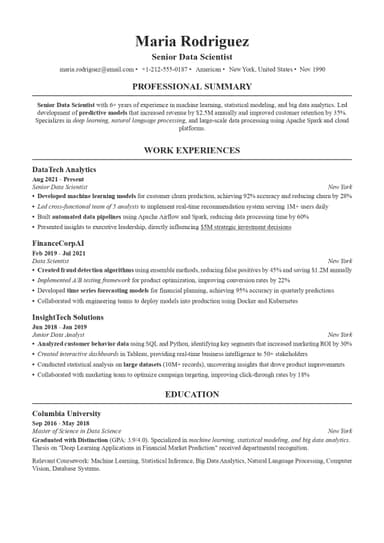
Add your most recent role to your resume before the details fade; your accomplishments, metrics, and impact are sharpest in your memory right now. You should:
- Include your work experience details with specific numbers, where you can
- Add any certifications you've completed
- Refresh your skills section
- Update your resume design to something more current
How to Quit a Job in Special Situations
Quitting isn't always straightforward, so here's how to handle the trickiest scenarios professionally:
How to Quit a Job You Just Started
The longer you wait, the worse it gets for everyone, so it’s best to request a private meeting, keep your explanation brief ("the role wasn't the right fit" is genuinely sufficient), and give as much notice as the situation allows.
Make sure you don't ghost; the industry is almost always smaller than it looks, and people remember who disappeared. Also, when the question “Why did you leave your last job?” comes up in future interviews, keep it factual and brief, with something like "The role wasn't what was described in the hiring process."
How to Quit a Toxic Job
If there's a documented pattern of harassment, discrimination, or other workplace violations, consult an employment attorney before you resign. You may have rights you'll forfeit by leaving voluntarily without first filing a complaint.
Whatever happens in the conversation, keep your resignation letter completely neutral. Don’t put anything negative in writing, and make sure you check your workplace rights before you make your final decision about how to exit.
How to Quit Without Another Job Lined Up
This is a valid choice, since plenty of people need to leave before they have something else lined up, for mental health, family, or simply because the situation has become untenable. The financial preparation matters more here, and the three-to-six-month emergency fund rule of thumb exists for a reason.
However, if your contract includes a non-compete clause, it’s important to review it before you leave without a role lined up. Non-compete enforceability varies significantly by state so if yours is broad or potentially limiting, consult an employment attorney before your last day.
Update your resume and start applying before or immediately after your last day. You should consider your hard skills inventory, as this is a good moment to identify what you want to lean into in your next role and reflect that clearly in your application materials.
How to Quit a Remote Job
When quitting a remote job, you should follow the same rules you would follow for an on-site job and resign via video call, not via Slack or email. The medium still signals how seriously you're taking the conversation. You should also:
- Ship back any company equipment promptly
- Get a receipt confirming everything was returned
- Make sure you're properly offboarded from all systems and get that confirmed in writing
What Not to Do When Quitting a Job

Knowing what to avoid is just as important as knowing the right steps. Most of these seem obvious, but people do them anyway, usually when they're frustrated or moving fast.
- Don't announce it on social media before your manager knows; not even cryptic "exciting news coming soon" posts, as this may raise red flags.
- Don't trash-talk colleagues, managers, or the company in the exit interview, on Glassdoor, or anywhere else; it often circles back.
- Don't coast during your notice period. Your reputation is still being written, and the last impression matters.
- Don't take confidential files, client lists, or proprietary data, as this can have real legal consequences.
- Don't ghost your employer unless there is a genuine safety concern. Even then, a brief written notice is better than silence.
What to Do After You Quit Your Job
The days after you resign matter almost as much as the resignation itself. Here’s what you can do:
- Give yourself permission to decompress, especially if you've been in a draining situation. Transition periods are real, and they take energy.
- File for unemployment if you're eligible. If you were laid off, or in some cases if you resigned for documented good cause, you may qualify.
- Update LinkedIn. Set your role end date, update your skills, and consider turning on "Open to Work" in your privacy settings so recruiters can find you without a public announcement.
Need Help Writing or Updating Your Resume for a New Job?
If you need some help with writing your resume, ResumeBuilder.so has got you covered. Our AI-powered resume builder can help you do so with minimal effort.
Moreover, you can choose an industry-specific resume template, share some information about your career with us, and in a matter of minutes, you’ll have an ATS-friendly resume ready. Furthermore, we boast a nice collection of cover letter examples that can show you how experts in your field compose theirs and get hired.
Final Thoughts
Quitting a job is a completely normal part of any working life, and the average person does it roughly a dozen times.
Yet, what separates the professionals who keep strong networks and glowing references from those who don't isn't luck but mostly how they handle the exit. After all, how you leave matters as much as why you do it; it’s what keeps your professional reputation intact long after you've moved on.
How to Quit a Job FAQs

Maya Brooks believes that a fulfilling career shouldn’t come at the cost of your mental health. Having worked in corporate HR, she’s seen firsthand how burnout culture can wreck careers. Now, she shares real-world strategies for setting work boundaries, avoiding toxic workplaces, and finding joy in your job.